Gyno De esteroides o medicamentos: ¿Se puede invertir sin cirugía?
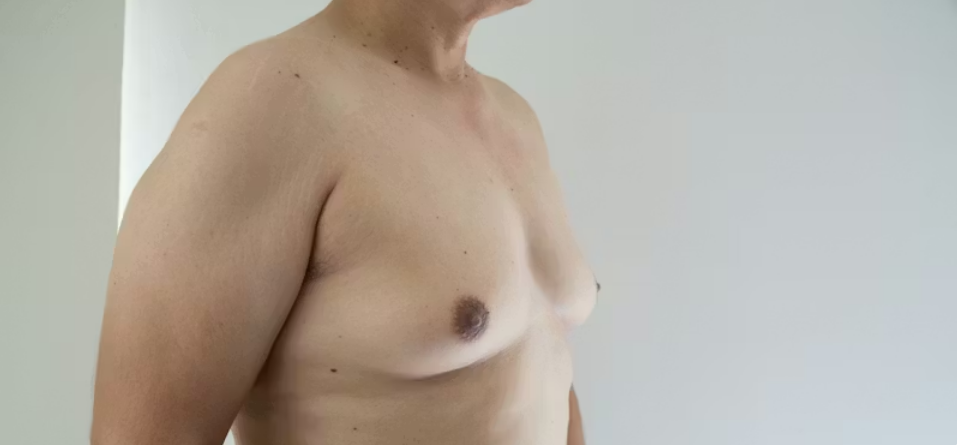
Gyno De esteroides o medicamentos: ¿Se puede invertir sin cirugía?
Depende completamente de la causa. Parar un medicamento que está conduciendo la ginecomastia a menudo conduce a la regresión del tejido dentro de unos tres meses. Gynecomastia del uso de esteroides anabólicos es un asunto diferente — a menudo es irreversible, y las drogas que los hombres toman para prevenir que conlleva sus propios riesgos.
Escapadas clave
- Medicamentos relacionados: a menudo reversibles — con frecuencia dentro de unos tres meses.
- Relacionados con esteroides: a menudo irreversible una vez que el tejido se haya formado.
- Nunca detengas un medicamento prescrito. Algunos tratan las condiciones graves.
- El tamoxifeno y las IA no son una solución segura. Llevan su propio riesgo.
Dos preguntas, dos respuestas muy diferentes
"La ginecomastia inducida por drogas" cubre dos situaciones que no se comportan por igual, y conflarlas es por qué la gente recibe la respuesta equivocada.
Un medicamento recetado lo está causando. Aquí el panorama es a menudo bueno. Retire la causa y el tejido regrese con frecuencia.
El uso de esteroides anabólicos lo causó. Aquí el panorama es pobre. La guía publicada es directa sobre esto: el uso de esteroides anabólicos suele causar ginecomastia irreversible.
El resto de esta página los lleva por separado.
Gynecomastia inducida por medicamentos
La figura útil es esta: dejar de lado el agente que aporta a menudo resulta en la regresión del tejido mamario dentro de unos tres meses.
Ese es un resultado realmente bueno, y es la razón por la que se identifica la causa importa más que cualquier decisión de tratamiento.
No detenga un medicamento recetado por su cuenta
Varios medicamentos asociados con las condiciones de tratamiento de la ginecomastia donde detenerse es mucho más peligroso que la propia ginecomastia — insuficiencia cardíaca, enfermedad psiquiátrica, VIH, cáncer. Tráelo al médico que lo prescribió. Pueden evaluar si esa droga es la causa probable, si existe una alternativa, y si cambiarla es un riesgo que vale la pena tomar. Es un juicio médico, no personal.
Drogas asociadas con ginecomastia
La lista es larga y agrupada por cómo funciona cada uno.
| Mecanismo | Ejemplos |
|---|---|
| Anti-androgénico | Spironolactone, cimetidine, ranitidine, omeprazole, ketoconazole, metronidazole, isoniazid, penicillamina, bicalutamida, flutamida, cisplatino, metotrexato, agentes alquilantes, alcaloides vinca, marihuana |
| Estrogénico | esteroides anabólicos, estrógenos y agonistas estrógenos, digoxina, fenitotina, diazepam, agonistas GnRH, gonadotropina coral humana, fitoestrógenos |
| Raises prolactin | Haloperidol, metoclopramida, fenothiazines |
| Otros o poco claros | Finasteride, risperidone, verapamil, diltiazem, nifedipine, amlodipine, ACEhibidores, antirretrovirales, amiodarona, atorvastatina, rosuvastatina, fenofibrate, metildopa, minoxidil, minociclina, teofilina, fluoxetina, paroxetina, venlafatina triciclina |
| Alcohol | Aumenta la tasa a la que los andrógenos son metabolizados |
Dos cosas a tener en cuenta. Spironolactone tiene una propensión particularmente alta entre ellos. Y la eplerenona, una droga relacionada, no ha producido efectos similares — que es el tipo de cosa que un prescriptor puede pesar, aunque la elección es suya para hacer, no algo para solicitar la parte posterior de una página web.
Suplementos que vale la pena conocer
Varios han sido implicados: lavanda, aceite de árbol de té, dong quai y Tribulus terrestris. La ingesta de soja por encima de aproximadamente 300 mg al día también se ha reportado como causa.
Los suplementos no se regulan como medicamentos, por lo que lo que está en la botella no se verifica. Si tomas algo en esta categoría, incluyalo cuando lista tus medicamentos — La gente normalmente deja suplementos fuera, y son exactamente lo que importa aquí.
Gynecomastia inducida por esteroides
Esta es la conversación más difícil, y la respuesta honesta no es la que más gente está buscando.
¿Por qué sucede?
Exogenous testosterone suppresses the body’s own testosterone production. That production does not recover quickly enough between cycles to prevent estrogen predominance, and it is that imbalance — not the testosterone itself — that drives glandular breast tissue to form.
Why stopping usually does not fix it
Published guidance states plainly that anabolic steroid use often causes irreversible gynecomastia. Once the glandular tissue is established, removing the hormonal driver does not generally remove the tissue.
Marijuana, heroin and amphetamines may also contribute to gynecomastia that does not resolve.
On tamoxifen and aromatase inhibitors
This is the question men searching this topic usually want answered, so here is the published position rather than a workaround: adding tamoxifen or aromatase inhibitors to prevent gynecomastia may cause irreversible adverse effects.
These are prescription medications with their own risk profiles. Taken without medical supervision, you are accepting those risks with nobody monitoring for them, and the thing you are trying to prevent may not be prevented anyway. This page does not provide guidance on using them, and no responsible source will.
If you are using anabolic steroids and have noticed breast tissue developing, the useful step is a conversation with a physician who knows your full history — including what you are actually taking. That conversation goes considerably better when it is honest, and doctors are markedly less interested in judging you than most men expect.
Why Timing Changes the Options
Two findings matter here, and together they explain a lot.
Medications used to treat gynecomastia are more effective the earlier they are started after symptoms first appear.
Surgery can be performed at any time with similar results.
So delay does not close the surgical door, but it does close the medical one. A man who notices a change and seeks advice within months has options that a man who waited five years does not.
Worth knowing as well: long-standing cases, high-grade cases and one-sided cases are associated with more surgical complications. Waiting is not free even where surgery remains available.
Symptoms persisting beyond one to two years suggest a cause that needs investigating rather than more waiting. If it has been that long, the question has shifted from “will this resolve” to “why has it not”.
What to Actually Do
A reasonable sequence
- Write down everything you take. Prescriptions, over-the-counter drugs, supplements, herbal products, protein powders. All of it.
- Take that list to a physician. Identifying a causative agent is the step with the best outcome attached, and it needs the full picture.
- Be honest about anabolic steroid use if it applies. It changes the assessment entirely, and withholding it means getting advice for a condition you do not have.
- Do not stop anything prescribed on your own. Ask instead.
- Find out whether yours is gland or fat. They respond to completely different things, and examination settles it.
- If it has been years, ask about surgery directly rather than working through non-surgical options that the timeline has already ruled out.
When Surgery Is the Answer
When the glandular tissue is established and the cause has been addressed or removed, surgery is what removes the tissue. That is not a sales pitch — it is what the alternatives cannot do.
For steroid-related gynecomastia specifically, this is often the position from the outset, because the tissue was unlikely to resolve on its own at any stage.
What surgery does not do is address an ongoing cause. If something is still driving it, that needs dealing with regardless — otherwise you are treating the result and leaving the mechanism running.
Not sure whether yours is gland, fat, or something still being driven by a medication? That question decides which of these options applies to you, and it is answered by examination. Dr. Michael Baumholtz is double board-certified in plastic surgery and general surgery, with more than two decades of experience in San Antonio.
Acerca de la cirugía ginecomastia · Consulta virtual · Solicitar un nombramiento
Preguntas Frecuentes
Can gynecomastia from steroids be reversed without surgery?
Usually not. Published guidance states that anabolic steroid use often causes irreversible gynecomastia, which means that once the tissue has formed, stopping steroid use does not generally undo it. Surgery is typically what remains. Marijuana, heroin and amphetamines may also contribute to irreversible gynecomastia.
Can gynecomastia caused by a medication go away on its own?
Often, yes. Discontinuing the contributing agent frequently results in the breast tissue regressing within about three months. That decision belongs to the doctor who prescribed it, not to you, because many of these medications treat conditions where stopping carries far greater risk than gynecomastia does.
Which medications commonly cause gynecomastia?
Many, across several mechanisms. Spironolactone has a particularly high propensity. Others include cimetidine, ketoconazole, metronidazole, omeprazole, ranitidine, anabolic steroids, digoxin, phenytoin, finasteride, risperidone, verapamil, diltiazem, amlodipine, antiretrovirals, certain antipsychotics and several chemotherapy agents. Alcohol and marijuana also contribute.
Should I stop taking my medication if I think it caused my gynecomastia?
No — not on your own. Raise it with the doctor who prescribed it. They can judge whether the medication is the likely cause, whether an alternative exists, and whether the risk of changing it is acceptable. Several drugs on the list treat serious conditions where stopping is considerably more dangerous than the gynecomastia.
Why does anabolic steroid use cause gynecomastia?
Exogenous testosterone suppresses the body’s own testosterone production, and that production does not recover quickly enough between cycles to prevent estrogen predominance. The resulting hormonal imbalance drives glandular breast tissue to develop, and once formed it is often permanent.
Do tamoxifen or aromatase inhibitors prevent steroid-related gyno?
Published guidance warns that adding tamoxifen or aromatase inhibitors to prevent gynecomastia may cause irreversible adverse effects. These are prescription medications with their own risk profiles, and using them without medical supervision means accepting those risks without anyone monitoring for them.
Can supplements cause gynecomastia?
Some have been implicated, including lavender, tea tree oil, dong quai and Tribulus terrestris. Soy intake above roughly 300 mg per day has also been reported as a cause. Because supplements are not regulated as medicines, what is actually in a product is not always what the label says.
How long does drug-induced gynecomastia take to go away?
Where stopping the causative agent works, regression often occurs within about three months. If the tissue has not changed after that, it is reasonable to ask what else might be contributing. Symptoms persisting beyond one to two years suggest a cause that needs investigating rather than more waiting.
Does it matter how long I have had it?
Yes, in two ways. Medications used to treat gynecomastia are more effective the earlier they are started after symptoms appear. Surgery, by contrast, can be performed at any time with similar results — although long-standing and high-grade cases are associated with more surgical complications.
When is surgery the right answer for drug-induced gynecomastia?
When the glandular tissue is established and the cause has already been addressed or removed. Longer symptom duration, higher-grade disease, or an inability to tolerate medication can all make surgery the sensible first option rather than a last resort.
La respuesta corta
If a prescribed medication is causing it, the outlook is often good — regression within about three months once the cause is removed. But that removal is your prescriber’s call, not yours.
If anabolic steroids caused it, the outlook is poor. It is often irreversible, and the drugs sold as prevention carry risks of their own that no one is monitoring.
Either way, the first useful step is the same: write down everything you take, and get the gland-or-fat question answered properly.
Related: do non-surgical gynecomastia treatments work? · can gynecomastia return after surgery?
Origen
This article is general information and is not a recommendation to start, stop or change any medication. Never stop a prescribed medication without speaking to the doctor who prescribed it. Last reviewed October 2026.