Gyno From Steroids or Medications: Can It Be Reversed Without Surgery?
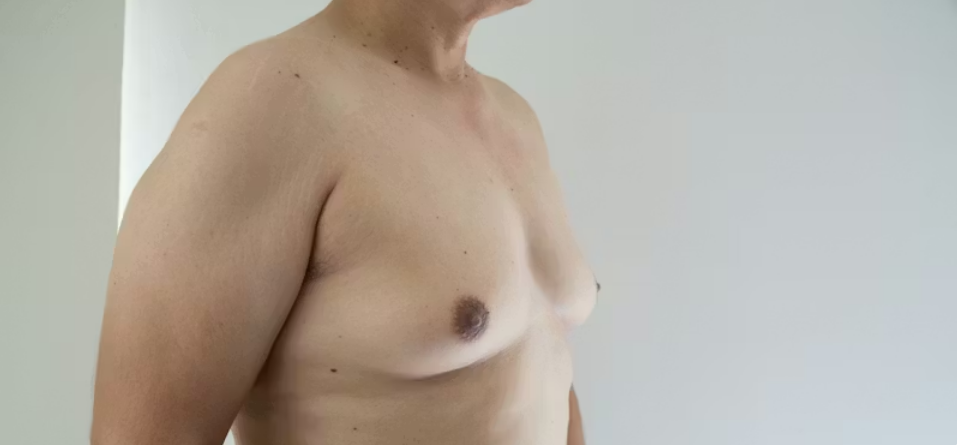
Gyno From Steroids or Medications: Can It Be Reversed Without Surgery?
It depends entirely on the cause. Stopping a medication that is driving gynecomastia often leads to the tissue regressing within about three months. Gynecomastia from anabolic steroid use is a different matter — it is often irreversible, and the drugs men take to prevent it carry their own risks.
Key takeaways
- Medication-related: often reversible — frequently within about three months.
- Steroid-related: often irreversible once the tissue has formed.
- Never stop a prescribed drug yourself. Some treat serious conditions.
- Tamoxifen and AIs are not a safe workaround. They carry their own risk.
Two Questions, Two Very Different Answers
“Drug-induced gynecomastia” covers two situations that behave nothing alike, and conflating them is why people get the wrong answer.
A prescribed medication is causing it. Here the outlook is often good. Remove the cause and the tissue frequently regresses.
Anabolic steroid use caused it. Here the outlook is poor. Published guidance is direct about this: anabolic steroid use often causes irreversible gynecomastia.
The rest of this page takes them separately.
Medication-Induced Gynecomastia
The useful figure is this: discontinuing the contributing agent often results in the breast tissue regressing within about three months.
That is a genuinely good outcome, and it is the reason identifying the cause matters more than any treatment decision.
Do not stop a prescribed medication on your own
Several drugs associated with gynecomastia treat conditions where stopping is far more dangerous than the gynecomastia itself — heart failure, psychiatric illness, HIV, cancer. Bring it to the doctor who prescribed it. They can assess whether that drug is the likely cause, whether an alternative exists, and whether changing it is a risk worth taking. That is a medical judgment, not a personal one.
Drugs associated with gynecomastia
The list is long, and grouped by how each works.
| Mechanism | Examples |
|---|---|
| Anti-androgenic | Spironolactone, cimetidine, ranitidine, omeprazole, ketoconazole, metronidazole, isoniazid, penicillamine, bicalutamide, flutamide, cisplatin, methotrexate, alkylating agents, vinca alkaloids, marijuana |
| Estrogenic | Anabolic steroids, estrogens and estrogen agonists, digoxin, phenytoin, diazepam, GnRH agonists, human chorionic gonadotropin, phytoestrogens |
| Raises prolactin | Haloperidol, metoclopramide, phenothiazines |
| Other or unclear | Finasteride, risperidone, verapamil, diltiazem, nifedipine, amlodipine, ACE inhibitors, antiretrovirals, amiodarone, atorvastatin, rosuvastatin, fenofibrate, methyldopa, minoxidil, minocycline, theophylline, fluoxetine, paroxetine, venlafaxine, mirtazapine, tricyclic antidepressants, methadone, heroin, amphetamines |
| Alcohol | Increases the rate at which androgens are metabolized |
Two things to note. Spironolactone has a particularly high propensity among these. And eplerenone, a related drug, has not produced similar effects — which is the kind of thing a prescriber may weigh, though the choice is theirs to make, not something to request off the back of a web page.
Supplements worth knowing about
Several have been implicated: lavender, tea tree oil, dong quai and Tribulus terrestris. Soy intake above roughly 300 mg per day has also been reported as a cause.
Supplements are not regulated as medicines, so what is in the bottle is not verified. If you take anything in this category, include it when you list your medications — people routinely leave supplements off, and they are exactly what matters here.
Steroid-Induced Gynecomastia
This is the harder conversation, and the honest answer is not the one most people are looking for.
Why it happens
Exogenous testosterone suppresses the body’s own testosterone production. That production does not recover quickly enough between cycles to prevent estrogen predominance, and it is that imbalance — not the testosterone itself — that drives glandular breast tissue to form.
Why stopping usually does not fix it
Published guidance states plainly that anabolic steroid use often causes irreversible gynecomastia. Once the glandular tissue is established, removing the hormonal driver does not generally remove the tissue.
Marijuana, heroin and amphetamines may also contribute to gynecomastia that does not resolve.
On tamoxifen and aromatase inhibitors
This is the question men searching this topic usually want answered, so here is the published position rather than a workaround: adding tamoxifen or aromatase inhibitors to prevent gynecomastia may cause irreversible adverse effects.
These are prescription medications with their own risk profiles. Taken without medical supervision, you are accepting those risks with nobody monitoring for them, and the thing you are trying to prevent may not be prevented anyway. This page does not provide guidance on using them, and no responsible source will.
If you are using anabolic steroids and have noticed breast tissue developing, the useful step is a conversation with a physician who knows your full history — including what you are actually taking. That conversation goes considerably better when it is honest, and doctors are markedly less interested in judging you than most men expect.
Why Timing Changes the Options
Two findings matter here, and together they explain a lot.
Medications used to treat gynecomastia are more effective the earlier they are started after symptoms first appear.
Surgery can be performed at any time with similar results.
So delay does not close the surgical door, but it does close the medical one. A man who notices a change and seeks advice within months has options that a man who waited five years does not.
Worth knowing as well: long-standing cases, high-grade cases and one-sided cases are associated with more surgical complications. Waiting is not free even where surgery remains available.
Symptoms persisting beyond one to two years suggest a cause that needs investigating rather than more waiting. If it has been that long, the question has shifted from “will this resolve” to “why has it not”.
What to Actually Do
A reasonable sequence
- Write down everything you take. Prescriptions, over-the-counter drugs, supplements, herbal products, protein powders. All of it.
- Take that list to a physician. Identifying a causative agent is the step with the best outcome attached, and it needs the full picture.
- Be honest about anabolic steroid use if it applies. It changes the assessment entirely, and withholding it means getting advice for a condition you do not have.
- Do not stop anything prescribed on your own. Ask instead.
- Find out whether yours is gland or fat. They respond to completely different things, and examination settles it.
- If it has been years, ask about surgery directly rather than working through non-surgical options that the timeline has already ruled out.
When Surgery Is the Answer
When the glandular tissue is established and the cause has been addressed or removed, surgery is what removes the tissue. That is not a sales pitch — it is what the alternatives cannot do.
For steroid-related gynecomastia specifically, this is often the position from the outset, because the tissue was unlikely to resolve on its own at any stage.
What surgery does not do is address an ongoing cause. If something is still driving it, that needs dealing with regardless — otherwise you are treating the result and leaving the mechanism running.
Not sure whether yours is gland, fat, or something still being driven by a medication? That question decides which of these options applies to you, and it is answered by examination. Dr. Michael Baumholtz is double board-certified in plastic surgery and general surgery, with more than two decades of experience in San Antonio.
About gynecomastia surgery · Virtual consultation · Request an appointment
Frequently Asked Questions
Can gynecomastia from steroids be reversed without surgery?
Usually not. Published guidance states that anabolic steroid use often causes irreversible gynecomastia, which means that once the tissue has formed, stopping steroid use does not generally undo it. Surgery is typically what remains. Marijuana, heroin and amphetamines may also contribute to irreversible gynecomastia.
Can gynecomastia caused by a medication go away on its own?
Often, yes. Discontinuing the contributing agent frequently results in the breast tissue regressing within about three months. That decision belongs to the doctor who prescribed it, not to you, because many of these medications treat conditions where stopping carries far greater risk than gynecomastia does.
Which medications commonly cause gynecomastia?
Many, across several mechanisms. Spironolactone has a particularly high propensity. Others include cimetidine, ketoconazole, metronidazole, omeprazole, ranitidine, anabolic steroids, digoxin, phenytoin, finasteride, risperidone, verapamil, diltiazem, amlodipine, antiretrovirals, certain antipsychotics and several chemotherapy agents. Alcohol and marijuana also contribute.
Should I stop taking my medication if I think it caused my gynecomastia?
No — not on your own. Raise it with the doctor who prescribed it. They can judge whether the medication is the likely cause, whether an alternative exists, and whether the risk of changing it is acceptable. Several drugs on the list treat serious conditions where stopping is considerably more dangerous than the gynecomastia.
Why does anabolic steroid use cause gynecomastia?
Exogenous testosterone suppresses the body’s own testosterone production, and that production does not recover quickly enough between cycles to prevent estrogen predominance. The resulting hormonal imbalance drives glandular breast tissue to develop, and once formed it is often permanent.
Do tamoxifen or aromatase inhibitors prevent steroid-related gyno?
Published guidance warns that adding tamoxifen or aromatase inhibitors to prevent gynecomastia may cause irreversible adverse effects. These are prescription medications with their own risk profiles, and using them without medical supervision means accepting those risks without anyone monitoring for them.
Can supplements cause gynecomastia?
Some have been implicated, including lavender, tea tree oil, dong quai and Tribulus terrestris. Soy intake above roughly 300 mg per day has also been reported as a cause. Because supplements are not regulated as medicines, what is actually in a product is not always what the label says.
How long does drug-induced gynecomastia take to go away?
Where stopping the causative agent works, regression often occurs within about three months. If the tissue has not changed after that, it is reasonable to ask what else might be contributing. Symptoms persisting beyond one to two years suggest a cause that needs investigating rather than more waiting.
Does it matter how long I have had it?
Yes, in two ways. Medications used to treat gynecomastia are more effective the earlier they are started after symptoms appear. Surgery, by contrast, can be performed at any time with similar results — although long-standing and high-grade cases are associated with more surgical complications.
When is surgery the right answer for drug-induced gynecomastia?
When the glandular tissue is established and the cause has already been addressed or removed. Longer symptom duration, higher-grade disease, or an inability to tolerate medication can all make surgery the sensible first option rather than a last resort.
The Short Answer
If a prescribed medication is causing it, the outlook is often good — regression within about three months once the cause is removed. But that removal is your prescriber’s call, not yours.
If anabolic steroids caused it, the outlook is poor. It is often irreversible, and the drugs sold as prevention carry risks of their own that no one is monitoring.
Either way, the first useful step is the same: write down everything you take, and get the gland-or-fat question answered properly.
Related: do non-surgical gynecomastia treatments work? · can gynecomastia return after surgery?
Source
This article is general information and is not a recommendation to start, stop or change any medication. Never stop a prescribed medication without speaking to the doctor who prescribed it. Last reviewed October 2026.