

Recuperación Después de Cirugía Fleur-De-Lis (FDL) – Consejos y Timeline
Losing weight is a major accomplishment. Even when the scale shows success, skin can lag behind. Extra folds can hang over the belt line, bunch at the waist, or spill over the sides of jeans. Clothing may not fit well. Movement may feel awkward.
Dr. Michael Baumholtz helps patients complete that journey safely and predictably. El Fleur-de-Lis abdominoplasty is designed for people with skin laxity in multiple directions. This guide explains what to expect after surgery, how to prepare, and how Dr. Baumholtz’s structured approach protects comfort and results.
¿Listo para cirugía? Dr. Baumholtz Cirugía Quiz
Why Choose a Fleur-de-Lis Abdominoplasty
A standard tummy tuck removes excess skin in a single horizontal direction. That works when looseness sits mainly below the navel. Many post-weight-loss patients have laxity in two planes.
- Vertical excess. Skin that gathers down the midline or hangs over the belt buckle.
- Horizontal excess. Skin that spills to the sides or forms side folds.
When both patterns exist, a traditional abdominoplasty cannot fully correct the problem. El Fleur-de-Lis technique adds a vertical midline incision. This allows tightening from top to bottom and from side to side. The goal is a flatter abdominal wall, a more defined waist, and a more balanced shape. In Dr. Baumholtz’s practice, the operation is planned around safe blood supply, careful tension, and natural umbilical position.
Video: Fleur De Lis Tummy Tuck
https://youtube.com/watch?v=RXtoXGCGsD8%3Fsi%3DSqd4ohCvyomgK1pe
Why Recovery Matters
FDL surgery addresses laxity in more than one direction. Incisions are longer and tissues are tighter than in a standard tummy tuck. Recovery takes time. It must be managed deliberately.
Dr. Baumholtz provides a personalized plan that covers movement, nutrition, wound care, and activity milestones. His objective is steady, safe healing that leads to durable results. No shortcuts. No surprises.
Preparing for Surgery
✓ Stable Weight and Nicotine Abstinence
- Maintain a stable weight for several months before surgery. Large shifts after surgery can stress the repair.
- Avoid nicotine in all forms. That includes smoking, vaping, patches, and gum. Any nicotine reduces blood flow and delays healing. Complete abstinence is required before and after surgery.
✓ Home Setup
Recovery is smoother with the right environment. Dr. Baumholtz recommends the following.
- A dedicated rest space with pillows, a side table, and charging access.
- Prepared meals or delivery for the first week.
- An electric lift chair if mobility is limited. It is not required. It helps patients stand and recline without straining the abdomen.
- A support person for the first 24 to 48 hours.
- Transportation arranged ahead of time to reduce walking in the San Antonio heat.
✓ Medical Readiness
- Pre-operative labs and a medication review are completed before surgery.
- Instructions are provided in plain language.
- Every patient knows what to expect regarding anesthesia, drains, garment timing, and scar care before surgery day.
The Day of Surgery
FDL abdominoplasty is performed in an accredited facility with a board-certified anesthesia provider. Vital signs and temperature are monitored closely. Antibiotics are given around the time of incision. Dr. Baumholtz controls bleeding and distributes tension evenly during closure.
- Drains are placed to manage fluid and help tissues adhere.
- Dressings are applied at the end of the case.
- Most patients go home the same day with a responsible adult. Some patients stay overnight based on comfort, support at home, or procedure length.
Important garment note. Patients do not wake up in a compression garment in this practice. Dr. Baumholtz waits until all drains are removed before fitting the garment. This improves hygiene, reduces the chance of fluid retention, and makes early mobility easier.
Recovery Timeline
✓ Days 0 to 3. Protection and Gentle Movement
- Rest slightly flexed at the hips or reclined to reduce tension on incisions.
- Walk short distances every one to two hours while awake to support circulation.
- Record drain outputs as directed.
- Keep hydration high. This is especially important in warm San Antonio weather.
- Avoid twisting and overhead reaching.
- Take medicines on schedule and with food to limit nausea.
- Use a stool softener and keep meals protein-forward to reduce strain.
✓ Week 1. Drain Care and Early Healing
- Drain output decreases and drains are removed once criteria are met.
- The compression garment is introduced only after all drains are out.
- Swelling peaks and then begins to settle.
- Light walking continues. No lifting and no bending for strain.
- Showering is allowed once cleared. Pat dry. Replace dressings as instructed.
- Driving is delayed until prescription pain medicine is stopped and reaction time is normal.
✓ Weeks 2 to 4. Returning to Routine
- Wear compression most of the day to support healing.
- Swelling and bruising fade in stages.
- Some patients return to truly light desk work with frequent standing breaks.
- Light household tasks are reasonable. Avoid pushing, pulling, or lifting beyond very light items.
- Begin scar care once incisions are fully closed. Use gentle massage and silicone products.
- Protect scars from the sun every day.
- Posture improves naturally. Do not stretch the incision to force posture.
✓ Weeks 4 to 8. Mobility and Confidence
- Compression often shifts to daytime only.
- Low-impact cardio such as walking or stationary cycling can resume with clearance.
- Energy improves and daily movement feels easier.
- Scars remain pink and begin to soften with massage and silicone care.
- Travel inside the United States can be considered. Choose an aisle seat. Stand for stretch breaks. Hydrate generously. Ask for help with luggage.
✓ Months 3 to 6. Refinement
- Most swelling is gone. Contour becomes more predictable.
- Core training is reintroduced in stages based on comfort and clearance.
- Many restrictions end near twelve weeks when plication was performed. Some patients benefit from a slower ramp based on job demands and comfort.
✓ Months 6 to 12. Final Results
- Residual tightness continues to ease.
- Scars mature. Color and texture evolve over the year.
- Clothing fits more naturally.
- Results stabilize. Ongoing sun protection and stable weight help keep results durable.
Expected Healing Realities
FDL incisions meet at a T-junction. Even with careful technique, small wound separations can occur where tension is highest. Dr. Baumholtz discusses this ahead of time. These areas are common after FDL and are usually managed with in-office dressing changes. They are considered part of normal healing rather than a complication when they are small and superficial.
Tips for a Smooth Recovery
- Hydrate throughout the day. Healing slows when dehydrated.
- Prioritize protein. Include lean protein at each meal and snack.
- Use a lift chair if you have one. It can make standing and reclining safer.
- Walk hourly while awake. Gentle motion supports circulation and lung function.
- Avoid nicotine in all forms. Any nicotine exposure impairs healing.
- Protect scars from sun with clothing and sunscreen.
- Expect daily fluctuations. Swelling changes through the day.
- Communicate early with the office. Quick answers prevent small issues from growing.
What Results Feel Like
Many patients notice practical changes first. The heavy fold is gone. Clothes sit flatter. Sitting and standing feel easier. With time, swelling settles and the abdomen shows a smoother, more balanced contour. Movement feels more natural. Wardrobe options expand. Skin irritation in the fold usually improves.
Risks and Their Management
Cada operación conlleva riesgo. These include bleeding, infection, fluid collection, minor wound separation, scar widening, and temporary numbness. Rare events can occur and require prompt evaluation.
Dr. Baumholtz reduces risk with precise markings, careful tension management, preservation of blood supply, and close follow-up. Patients share responsibility by following instructions, avoiding nicotine, staying hydrated, and attending every visit.
Staging and Long-Term Planning
If other areas also need contouring, such as arms, thighs, or flanks, procedures are often staged. Staging protects recovery, limits anesthesia time for each stage, and allows focus on one area at a time. Dr. Baumholtz sequences operations to balance safety, downtime, and goals. Each stage has a clear purpose and a clear plan.
Financial Options and Value
Cirugía plástica Baumholtz partners with Cherry to provide flexible financing. This allows patients to plan responsibly and proceed when ready without compromising safety or follow-up. The practice does not take insurance for aesthetic procedures. Pricing and timelines are discussed in plain terms so patients understand the plan before scheduling.
Life After Healing
After full recovery, patients often describe a sense of ease. Exercise is simpler. Clothing choices expand. Travel is easier to plan. Skin irritation improves.
To maintain results, focus on the following habits.
- Stable weight over time.
- Balanced nutrition with regular hydration.
- Regular movement and strength maintenance.
- Consistent sun protection for scars and skin.
These daily habits protect the work achieved in surgery.
Por qué los pacientes eligen al Dr. Michael Baumholtz
Dr. Baumholtz is double board-certified in General Surgery and Plastic Surgery. He is known for a steady, patient-first approach. He designs each operation around safety, proportion, and long-term stability. His technical preferences reflect that focus.
- He places incisions as low as anatomy allows for discreet positioning.
- He repairs diastasis when present to support the core.
- He avoids liposuction under the abdominal flap to protect blood flow.
- He uses closed-suction drains routinely for abdominoplasty and FDL.
- He introduces compression only after drains are removed, then continues it for about six weeks.
- He prescribes early walking and home calf compression sleeves during the initial phase.
- He limits lifting, pushing, and pulling more than five to ten pounds for up to twelve weeks when plication is performed.
- He remains accessible to patients during the long arc of healing.
His guiding principle is simple. Educate thoroughly. Operate carefully. Follow through completely.
Preparing for Your Consultation
Make the first visit productive by doing the following.
- Bring example photos that reflect your goals.
- Prepare a complete list of medications and supplements.
- Identify a support person for early recovery.
- Set up your recovery area in advance and consider a lift chair if mobility is limited.
- Write down questions to review in person.
During the consulta, Dr. Baumholtz will evaluate anatomy, skin quality, and goals. He will outline a customized plan that fits your health, lifestyle, and timeline.
FAQs About Recovery After Fleur-de-Lis (FDL) Abdominoplasty
Will I need drains?
Yes. Drains reduce fluid buildup and help tissues adhere. FDL often uses more than two drains. They exit through the main incision to avoid extra scars.When will I wear a compression garment?
Only after all drains are removed. The garment is then worn for about six weeks unless the plan is adjusted for comfort and healing.Are small wounds normal?
Minor separations at high tension points are common and are usually managed in the office with simple dressings.When can I stand upright?
Most patients stand a little straighter each day. This improves over the first one to two weeks. Do not force posture.When can I return to work?
Desk work often resumes around two weeks if it is truly light and allows frequent breaks. Physical labor takes longer and requires specific clearance.Do I need a lift chair?
Not required. Many patients find it helpful for safe standing and reclining.Will he use liposuction on the abdomen at the same time?
He avoids liposuction under the abdominal flap to protect blood supply. He may contour the back or flanks when appropriate.When can I get into a pool?
Submersion waits until drains are out and incisions are fully closed. Start gently and stop if the core feels uncomfortable.What about exercise?
Walking comes first. Low impact cardio returns with clearance. No lifting above five to ten pounds and no high-strain core work until the repair is ready, which is often around twelve weeks after plication.Referencias médicas
- COMPARATIVE STUDY BETWEEN FLEUR-DE-LIS AND TRADITIONAL ABDOMINOPLASTY TECHNIQUES – Al-Azhar University Hospitals (Egypt) https://amj.journals.ekb.eg/article 291622.html
- Vertical Abdominoplasty Technique and the Impact of Fleur-de-Lis Abdominoplasty on Patients Following Massive Weight Loss – Oxford Academic Journal – https://academic.oup.com/asjopenforum/article/3/1/ojaa043/6040735
- Fleur-de-Lys abdominoplasty – a consecutive case series – ScienceDirect Peer-Reviewed – https://www.sciencedirect.com/science/article/abs/pii/S0007122603001747
- The Fleur-De-Lis abdominoplasty – PubMed, US National Library of Medicine – https://pubmed.ncbi.nlm.nih.gov/25283454/
Ready to Take the Next Step
If loose abdominal skin limits comfort or confidence after weight loss, a Fleur-de-Lis abdominoplasty may help. Schedule a private consultation con Dr. Michael Baumholtz in San Antonio, Texas. He will evaluate your anatomy, discuss goals, and design a recovery plan that balances comfort, safety, and durable results.
Lectura adicional
- Leer más Tummy Tuck (Abdominoplastia)
- Leer más Mami Makeover
- Leer más Liposuction
- Leer más Contorno corporal
- Lea el blog del Dr. Baumholtz en ¿Qué es un Tummy Fleur-de-Lis y necesitas uno?
- Lea el blog del Dr. Baumholtz en Tummy Tuck después de perder peso – Lo que necesitas saber
- Lea el blog del Dr. Baumholtz en Tuck Tummy sin drenaje o Tummy Tuck con Drains?
Cirugía Plástica Baumholz con Dr. Baumholtz en San Antonio
SOBRE DR. MICHAEL BAUMHOLTZ
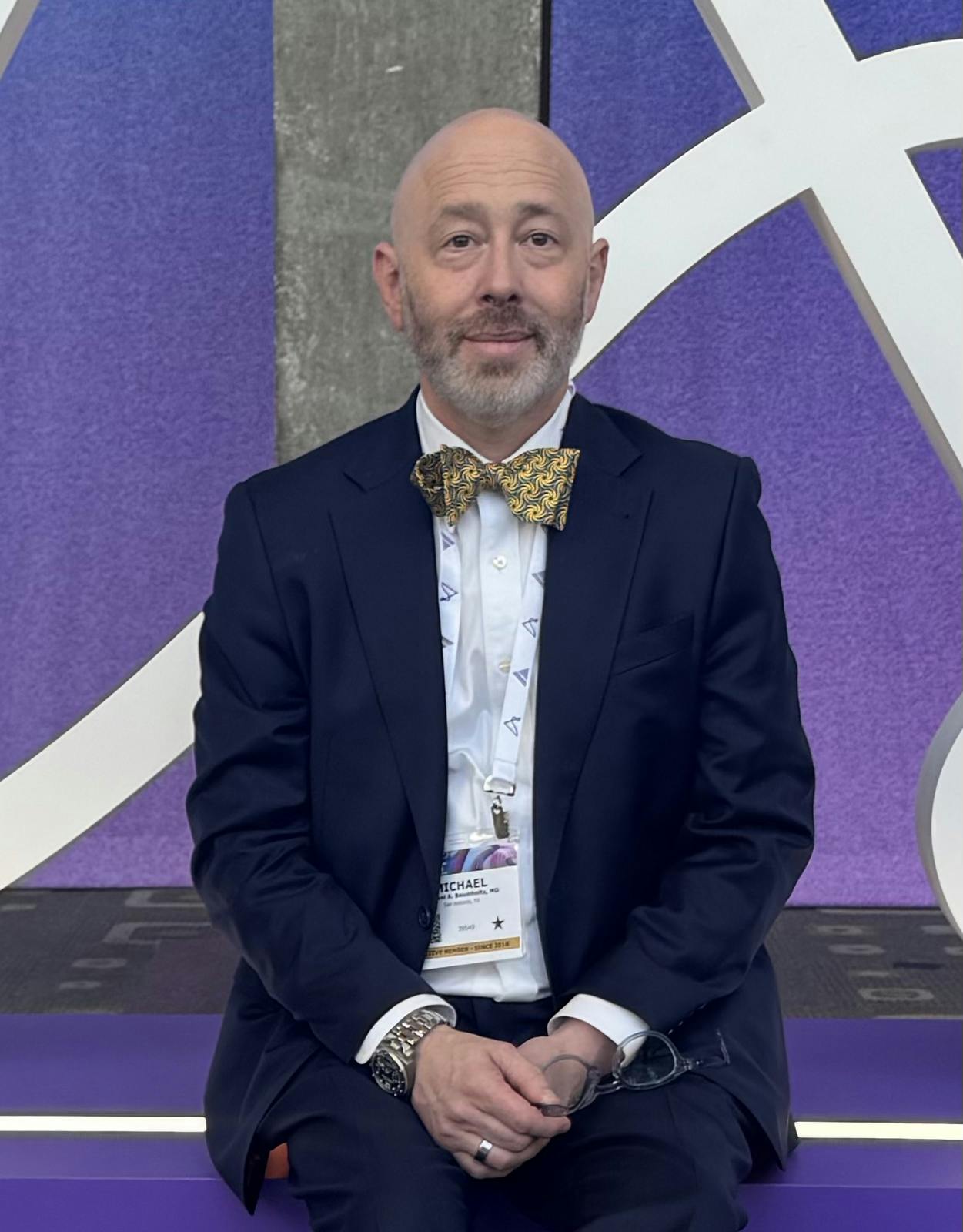
Conoce al Dr. Michael Baumholtz — o simplemente "Dr. B" — uno de los cirujanos plásticos más respetados y confiables de San Antonio. Conocido por su cálida personalidad y su notable precisión, el Dr. B combina la artista, experiencia y comunicación honesta para ofrecer resultados naturales de fomento de la confianza. Los pacientes aprecian que les dice lo que necesitan saber, no sólo lo que quieren escuchar — asegurar que cada transformación se guíe por experiencia, seguridad e integridad.
Con certificados de doble junta en Cirugía General y Plástica, el Dr. B ofrece décadas de formación avanzada de instituciones de clase mundial, incluyendo el Baylor College of Medicine y el University of Texas Health Science Center. Su rara mezcla de excelencia académica, maestría técnica y verdadera compasión le ha hecho cirujano de elección para los pacientes que buscan excelencia estética. Como ex Jefe de Cirugía Plástica de la División en el Hospital Audie L. Murphy VA y educador de futuros cirujanos, establece el estándar de calidad y cuidado.
Más allá del quirófano, el Dr. Baumholtz autorizó o coautorizó más de una docena de publicaciones revisadas por pares y capítulos de libros y entregados más de 40 presentaciones nacionales y regionalesA examinador oral invitado para la Junta Americana de Cirugía Plástica y Executive Committee Member of the Texas Society of Plastic Surgeons, continúa avanzando en la educación quirúrgica mientras mentora a la próxima generación de médicos.
Cuando elija al Dr. B, usted está eligiendo más que un cirujano — estás colaborando con un artista cualificado que escucha, educa y entrega. Su práctica boutique centrada en el paciente ofrece un ambiente tranquilo y solidario donde cada detalle importa, desde la consulta hasta la recuperación.