Cómo reducir la hinchazón y el dolor después de la cirugía de reducción de la mama
El cepillado y la inflamación son parte de la curación normal después de la reducción de mama. El objetivo no es borrarlos; el objetivo es guiarlos para que la recuperación se sienta estable, segura y predecible. Dr. Michael Baumholtz, un altamente experimentado Cirujanos plásticos en San Antonio, TX, es dual-certificado y conocido por comunicación clara, técnica cuidadosa, y una mentalidad paciente-primera.
Él favorece pasos simples y probados sobre las tendencias, y explica cada elección en lenguaje simple para que los pacientes entiendan qué esperar y por qué importa. Esta página describe cómo ayuda a minimizar los moretones e hinchazón después de Reducción de la mama manteniendo las expectativas honestas y los resultados medibles.
¿Listo para cirugía? Dr. Baumholtz Cirugía Quiz
¿Por qué ocurren los dolores y la hinchazón (y por qué está bien)
El bruñimiento aparece cuando pequeños vasos sanguíneos en el tejido tratado reciben una pequeña cantidad de sangre bajo la piel. El color inicial puede parecer dramático, luego cambiar de púrpura a verde, amarillo y marrón débil mientras el cuerpo descompone el pigmento residual. La hinchazón es la forma del cuerpo de proteger y reparar – el líquido se mueve en la zona, trayendo células y nutrientes que apoyan la curación. Ambas respuestas son normales después de una reducción del pecho, y ambos se desvanecen con el tiempo.
En los primeros días, el moretón suele ser más visible, mientras que la hinchazón puede hacer que el pecho se sienta pesado, firme o hinchado. Nada de esto significa que algo está mal. Significa que el cuerpo está haciendo su trabajo. La pregunta es cómo ayudar al cuerpo a hacer ese trabajo con menos drama. El Dr. Michael Baumholtz responde con un plan que prioriza el confort, la circulación y el respeto del tejido.
No persigue la idea de "sin hinchazón". En lugar de eso, busca una mejora constante. Enseña a los pacientes a ver líneas de tendencia en lugar de fijarse en las fluctuaciones diarias, usando marcadores simples como el movimiento del brazo más fácil, mejor sueño, y una prenda que se siente más cómoda cuando pasan los días.
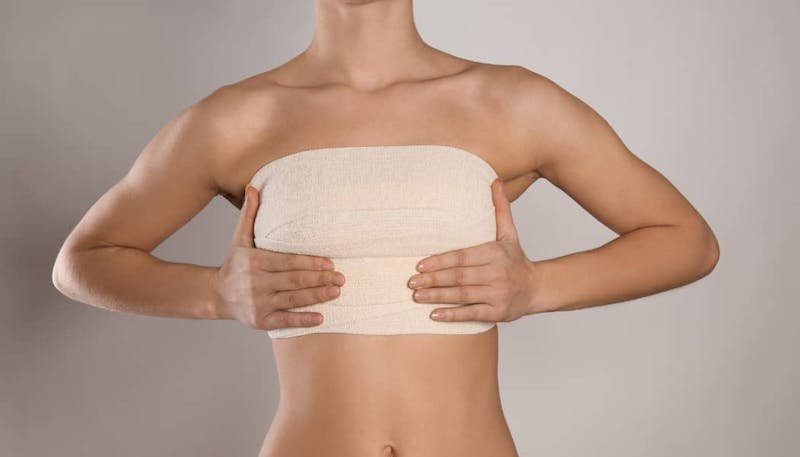
Qué esperar: Una línea de tiempo sencilla y utilizable
- Días 0-3: Las primeras setenta y dos horas generalmente declaran la dirección de la curación. Esto es cuando el moretón es más pronunciado y la inflamación tiende a alcanzar el pico. La Elevación ayuda; también lo hace una prenda de apoyo, de cierre delantero que limita el rebote sin apretar (más sobre esto abajo). Short, caminatas frecuentes alrededor de la circulación de apoyo casero y reducir la rigidez. Muchos pacientes notan que cada siesta o el sueño de buena noche trae un poco más de facilidad al día siguiente.
- Días 4-10: Los colores comienzan a suavizar y cambiar. La enfermedad facilita, la energía regresa por grados, y el pecho comienza a sentirse menos apretado. Los pacientes a menudo descubren que levantarse, moverse suavemente, y luego descansar de nuevo crea un ritmo cómodo. Durante este tiempo, el cuidado de la incisión es simple y consistente. La prenda se queda. Los entrenamientos esperan.
- Semanas 2-3: La mayoría de los hematomas se han desvanecido e inflado las tendencias en una curva suave y predecible. El rango de movimiento mejora por debajo de la altura del hombro, y las tareas diarias se sienten más manejables. La prenda todavía importa porque los pechos permanecen sensibles al movimiento incluso cuando la piel se ve tranquila. Si las correas comienzan a sentirse sueltas, es a menudo un signo de que la inflamación está resolviendo.
- Semanas 4-6: La actividad se amplía en etapas con orientación de la oficina. Una vez que las incisiones están completamente cerradas y secas, comienza la terapia de cicatriz de silicona, y se introduce un masaje suave cuando se limpia. La protección solar se convierte en un hábito diario, especialmente en un lugar soleado como San Antonio, TX. El ajuste completo continúa durante meses, y los pacientes que dan el tiempo del proceso son recompensados con tejido más suave y un contorno torácico más tranquilo.
Lo que las formas se hinchan
La biología pone el fondo. El espesor de la piel, la fragilidad de los vasos, la calidad del colágeno y la historia personal afectan a cómo se ven los moretones y la hinchazón y cuánto duran. La edad y las cirugías anteriores pueden influir en la línea de tiempo, y también pueden variar en la respuesta inflamatoria del cuerpo. Dr. Michael Baumholtz explica estos factores en su planificación y en su seguimiento, reconociendo que dos pacientes con operaciones similares pueden sanar a diferentes velocidades.
Los detalles del procedimiento también importan. Tla cantidad de tejido removido, el camino técnico para alcanzar la proporción y el tiempo total en la cirugía contribuyen a cómo responden los tejidos. La técnica no es sólo un concepto; son mil pequeñas decisiones que se suman a una recuperación más suave.
El uso de medicamentos y suplementos forma otra capa. Los adelgazamientos de sangre de prescripción son obvios, pero los productos comunes de venta libre y suplementos naturales también pueden aumentar el riesgo bruising. Transparencia sobre todo lo que un paciente toma es una herramienta de seguridad, y ayuda al equipo a reducir sorpresas.
El comportamiento diario forma la curación también. Alcanzar la cabeza, levantarse pesado y hacer ejercicios tempranos puede parpadear hinchazón y extender moretones. Camina suave y una ayuda de postura consciente. La prenda de soporte adecuado reduce el movimiento y la fricción. La presión incorrecta –especialmente de una prenda demasiado apretada – puede crear nuevos problemas. Confort y consistencia baten intensidad cada vez.
En la sala de operaciones: Cómo el Dr. Baumholtz establece la etapa para una recuperación más calmada
Dentro del quirófano, la meticulosa hemostasis es la disciplina silenciosa que paga dividendos después de la cirugía. Dr. Michael Baumholtz, Cirujanos plásticos en San Antonio, invierte la atención en pequeños vasos y ozamiento difuso porque menos hemorragia en el quirófano normalmente significa menos moretones después. Lo combina con un manejo suave y reflexivo del tejido. Los instrumentos se utilizan deliberadamente, la retracción se minimiza cuando sea posible, y el camino al resultado está previsto para respetar la biología de la mama.
Los Dranos no son rutinarios para la cirugía estética de mama en su práctica, aunque siguen siendo una opción cuando la anatomía específica o los hallazgos intraoperatorios los hacen útiles. La elección se discute en términos claros porque la comodidad y la seguridad son objetivos legítimos. Igualmente importante es la estrategia de medicamentos. Un plan equilibrado y multimodal pretende controlar el dolor sin sobresedación, permitiendo un movimiento más seguro. El movimiento no sólo se trata de comodidad; apoya la circulación, lo que ayuda a resolver la hinchazón.
El cierre y el contorno no son pensamientos posteriores. Los cierres con capas, la cuidadosa gestión de la tensión y la atención a la simetría reducen los puntos calientes que pueden recoger líquido o moretón profundamente. La filosofía es simple: hacer las cosas cuidadosas que hacen la próxima semana más fácil. Los pacientes no observan esos pasos, pero sienten el resultado.
The Breast Reduction Garment – Soporte que ayuda
La conversación de ropa es directa. Un sujetador quirúrgico o de estilo atlético suave, de cierre frontal que sostiene el pecho cómodamente es el predeterminado. Los tejidos suaves evitan el frotamiento, y un cierre frontal simplifica el apósito en los primeros días. El objetivo es limitar el movimiento, no cerrar.
Importante: La sobrecompresión es contraproducente. Reduce la circulación, irrita la piel, y en realidad puede peor inflamación y moretones. Si un sujetador se siente como una vise, es el sujetador equivocado.
Usar el sujetador día y noche como se instruyó impide que el pecho rebote durante movimientos rutinarios como salir de una silla, girar en la cama o caminar por un pasillo. Lavar y secar completamente la prenda importa para la salud de la piel, por lo que tener un segundo sujetador para la rotación es práctico. Cuidado con la piel, no sólo con las correas. Si las marcas rojas persisten o chafes de tela, hablen.
La oficina ayudará a ajustarse o recomendar un modelo diferente. A medida que la inflamación disminuye, el pecho cambia de forma, y también debe el plan de la prenda. Transitioning to lighter support at the right moment keep comfort and protection in balance.
Las primeras 72 horas: pequeños movimientos, gran impacto
El posicionamiento es medicina en la fase temprana. Una postura semi-reclineada con una modesta pila de almohada reduce la congestión de cabeza y pecho y protege la reparación. Dormir plana o en el lado es desalentado hasta que el tejido sea más tranquilo.
La terapia fría tiene un lugar – con claras salvaguardias.
- Nunca aplique paquetes de hielo o gel directamente a la piel. El frío directo puede herir la piel y los nervios y complicar la curación.
- Si se le ordena usar frío, el Dr. Baumholtz prefiere opciones simples y flexibles como bags of frozen peas because they mold to the chest comfortably.
- Place the cold pack over the bra or another layer of fabric, never on bare skin.
- Use short cycles: 15 minutes on, 15 minutes off, and stop if the area feels numb, overly cold, or uncomfortable.
Nutrition is equally practical. Hydration is steady rather than forced. Meals lean toward protein with lower sodium to avoid unnecessary fluid retention. Alcohol waits for another time. Short, frequent walks – often to the kitchen, around the living room, and back to bed – support circulation and joint comfort.
The pain plan is taken on schedule because comfort supports movement, and movement supports healing. Home setup supports all of this. Keep essentials at counter height to avoid reaching. Place medications, water, and a phone within easy reach. Organize the space so the body can rest without struggle.
Days 4-14: Finding The Rhythm
This stretch is about momentum. Energy comes back in waves, and that is normal. Many patients notice a pattern of moving, resting, and then moving again. Arms stay below shoulder height to protect sutures and minimize strain on the healing tissues. Overhead chores can wait. Showering follows the written plan, with gentle cleansing and careful drying. Fragranced products and rough towels remain on the shelf for later.
The garment is reassessed as swelling changes. What was snug on day two may be loose on day ten, which is a welcome sign of progress. Instead of tightening straps until the garment bites, the fit is rebalanced to stay comfortable. In‑office check‑ins during this period serve multiple purposes.
They confirm the healing trajectory, fine‑tune garment fit, and address small concerns before they grow. Dr. Michael Baumholtz also coaches mindset. Bruises often look worse before they look better, and that can be unsettling. He redirects attention to the trend: more ease, better sleep, less morning puffiness.
Weeks 3-6: Stepwise Return To Normal Life
By weeks three and four, the day looks more like normal life. Activity expands with judgment. Light chores, desk work, and short outings become feasible. Heavy lifting and vigorous exercise remain on hold until cleared because the tissue is still remodeling beneath the skin, even if the surface looks calm. Driving returns when the patient is off sedating medication and can comfortably and safely control the vehicle, including sudden maneuvers.
Scar care begins when the incisions are fully closed and dry. Silicone sheets or gels are used daily, and consistency matters more than the specific brand. Gentle scar massage is added when cleared to support pliability and reduce the sensation of tightness. Sun protection becomes a habit. In San Antonio, TX, UV exposure is a year‑round reality, and protecting healing skin reduces the chance of long‑term discoloration. Sleep quality usually improves as tenderness fades, and posture returns to normal as confidence grows.
What To Avoid If Bruising And Swelling Are The Concern
- Over‑compression. It restricts circulation, irritates the skin, and slows the process patients want to accelerate.
- Direct ice on skin. Skip bare‑skin ice or long, numb sessions. If cold is used, keep it over fabric and limit to 15‑on/15‑off cycles, using flexible packs like frozen peas.
- Heavy lifting and forceful push‑pull movements. They ask too much of tissues that are still settling; overhead chores strain the repair.
- Heat and hot environments (hot tubs, saunas, hot yoga) in the early phase; they encourage fluid to persist where it is not wanted.
- Alcohol and salty foods in the first weeks; both can amplify fluid retention.
- New supplements or medications without clearance; “natural” does not mean inert.
- Going it alone. Ask for help with meals, rides, bags, and pets to avoid trading short‑term convenience for long‑term setbacks.
How Dr. Baumholtz Personalizes Your Plan In San Antonio TX
Preparation is an intervention, and Dr. Michael Baumholtz, Plastic Surgeon in San Antonio, TX, treats it that way. Before surgery, medications, supplements, past surgeries, and healing history are reviewed so the team can reduce bleeding risk, clarify anesthesia details, and line up support at home. In the operating room, anatomy, goals, and lifestyle inform the plan. He aims for proportion and comfort now and durability later, knowing that weight shifts, hormones, and life events can influence the body down the road.
Recovery is staged on paper and revisited in person. Patients leave with a written plan covering garments, movement, nutrition, and medication timing. The plan is designed to be easy to follow and easy to adjust. Access to the team is built in. Questions are welcomed early because early questions prevent bigger problems. The advantage of local care in San Antonio, TX is tangible: fittings can be tweaked, concerns can be checked, and reassurance can be delivered in real time by the same people who know the case.
Emotions, Expectations, And The “Mirror Test”
Recovery is not only physical. It is emotional. Relief, excitement, impatience, and worry can cycle through the same afternoon. Dr. Michael Baumholtz normalizes those feelings and gives patients simple tools to steady themselves. El mirror test asks for a weekly view instead of a daily one. Stand back, breathe, and decide whether this week feels better than last week. The comfort test focuses on movement, sleep, and the way the garment feels over time. The morning test looks at how the chest feels at the start of the day when swelling tends to be most noticeable.
His guiding philosophy is consistent. What the patient wants and what he can safely deliver become a shared plan. He avoids guarantees because biology makes guarantees unwise. What he offers is a thoughtful map, steady coaching, and the surgical judgment to adapt as the body responds.
Look for Red Flags During Recovery
Some changes deserve immediate attention. One‑sided, rapid swelling or a sudden, firm enlargement on one side can signal a problem. New or escalating pain, tightness, or pressure that does not respond to the plan merits a phone call. Fever combined with increasing redness or concerning drainage needs evaluation. Shortness of breath or chest pain is an emergency and should prompt immediate medical care. When in doubt, call. No one is ever criticized for asking early.
Nutrition And Medication Pointers That Support Calmer Healing
Protein is the foundation of tissue repair, and a protein‑forward approach to meals helps the body build what it needs. Hydration is steady and practical, with water available at every resting spot. Sodium awareness is useful in the first weeks because restaurant meals and packaged foods can drive fluid retention. Medication timing matters, and the office provides a schedule that balances comfort and safety.
Over‑the‑counter products and supplements are not added without a conversation because many have real effects on bruising or bleeding. Bowel regularity is supported with fiber, hydration, and gentle walks, and safe stool softeners can be discussed if needed. The overall theme is consistency. Small, repeated choices move the needle more than occasional surges of effort.
Scar Care That Also Soothes Residual Swelling
Scar therapy begins only when incisions are closed and dry. Starting too early irritates skin and slows healing. Silicone – whether in sheets or gels – creates a stable environment that helps scars soften and flatten over time. Daily use is the key. Gentle massage is introduced when cleared to improve pliability, reduce tightness, and make the skin feel more natural. Sun protection is non‑negotiable.
In San Antonio, TX, protecting healing skin from UV prevents unwanted darkening and supports smoother texture over the long term. Patience finishes the job. Scars continue to mature for many months, and what looks pink and firm at six weeks can look flat and quiet at six to twelve months.
Common Myths That Worsen Bruising And Swelling – And How Dr. Baumholtz Counters Them
- “Tighter is better.” False. Over‑compression can increase swelling and bruising and irritate skin.
- “If it doesn’t hurt, push harder.” Healing tissue is not a test of toughness. Pacing protects the outcome.
- “Ice all day.” No. Prolonged cold can be harmful. If cold is prescribed, keep it over fabric and use 15‑on/15‑off cycles.
- “Supplements are harmless.” Many have real effects on bleeding and bruising. Nothing new is added without clearance.
- “Everyone’s timeline is the same.” It isn’t. Dr. Michael Baumholtz adjusts the plan to the person – not the person to a rigid schedule.
What Sets This Approach Apart (Without the Hype)
Credentials are the floor, not the ceiling. Dual board certification in General Surgery and Plastic Surgery and fellowship‑level microsurgical experience shape how Dr. Michael Baumholtz plans, operates, and follows through. Revision expertise sharpens judgment and reinforces a measured pace that respects biology. Communication is practical and direct. Short sentences, clear steps, and honest explanations reduce anxiety and improve adherence. Access matters just as much. Follow‑up is part of the procedure, not an afterthought, and patients feel that from the first phone call through the last visit. Being rooted in San Antonio is another strength. Local care means continuity, familiarity, and the ability to fine‑tune details quickly when details matter most. Contacta con nosotros or read the pricing page for more information.
A Realistic “Day In The Life” Recovery Walkthrough
- Day 0 / Night 1: The front‑closure garment stays on, the pillow stack is set, and medications are taken on schedule. Short walks begin within hours, and a support person helps with meals, hydration, and reminders so the patient can focus on resting.
- Days 2-3: Comfort building becomes a routine. If cold therapy is part of the plan, it’s frozen peas over the bra, 15 minutes on and 15 minutes off. Meals are simple, protein‑forward, and lower in sodium. Showers happen as instructed, and incisions are patted dry. Entertainment fills the day, but long stretches hunched over a phone are avoided to prevent neck and shoulder strain.
- Days 4-7: The turn is noticeable. Bruises change color and look less intense. Swelling feels softer. Walks lengthen slightly but remain gentle. Lifting, pushing, and overhead chores are still deferred.
- Week 2: Reassurance arrives at the check‑in visit. Garment straps are adjusted, questions are answered, and the written plan is fine‑tuned. Confidence grows because there is a clear path forward.
- Weeks 3-4: Driving resumes when safe, and desk work or light duties fit into the day. Silicone scar therapy begins when fully closed and dry, and gentle massage starts when cleared. Outdoor time includes careful sun protection.
- Week 5 and beyond: The body continues to reclaim strength and stamina. The garment transitions to lighter support. Comfort climbs. The shape refines over months as residual swelling resolves.
How To Prepare Before Surgery To Minimize Bruising And Swelling
Preparation two weeks ahead sets the tone. All medications and supplements – prescription, over‑the‑counter, and natural – are reviewed and adjusted as needed. Rides, childcare, pet care, and household help are arranged so physical strain does not derail early healing. Supplies are gathered in advance: front‑closure bras, soft cold packs or bags of frozen peas with fabric covers, extra pillows, gentle soap, and easy meals. The home kit is practical. A pill organizer tracks timing. A refillable water bottle sits beside each resting spot. Chargers are placed where they are needed. A small crossbody bag keeps tissues, lip balm, and a timer within reach for icing sessions.
Food planning reduces stress. Protein‑forward, lower‑sodium meals are prepared or purchased ahead of time to avoid last‑minute errands. Hydrating drinks are stocked. The support person is chosen for reliability and calm, and the written plan is reviewed together so everyone knows who to call and when to call. The mindset aligns with the plan. Healing is not a race. Consistency is the lever that moves recovery in the right direction.
Surgery Fees & Costs, Policies, And Expectations
Clarity is part of care. Fees are reviewed in writing before scheduling so patients know what is included and what is not. Dr. Michael Baumholtz does not take insurance for aesthetic procedures, and the office outlines payment timing and options without surprises. Value here is measured by safety, communication, and access.
Follow‑up is integrated into the process rather than treated as optional. Local convenience in San Antonio, TX matters because a nearby office makes fine‑tuning garments, reviewing scar care, and addressing concerns faster and easier. Peace of mind is not just a feeling; it is a practical advantage.
Who Benefits Most From This Approach
Women who want comfort and function often see the most meaningful change. Relief of back, neck, and shoulder strain pairs with clothing that fits more predictably and daily activities that feel lighter. Women who appreciate clear instructions thrive with a stepwise, written plan that turns uncertainty into action. Women who value proportion rather than trends find a philosophy that respects anatomy and aims for durable results. Women who prioritize access choose a surgeon and a team who answer questions quickly and follow through. The common denominator is partnership. The plan is built together and lived together.
FAQs About Reducing Bruising And Swelling After Breast Reduction
How does Texas heat and humidity affect swelling after surgery?
Warm, humid weather can make early swelling feel more noticeable. Dr. Michael Baumholtz, Plastic Surgeon in San Antonio, TX, advises staying indoors during the hottest hours, keeping cool packs with a fabric barrier handy, hydrating consistently, and avoiding outdoor errands until he clears activity. Air conditioning, light breathable clothing, and a supportive front‑closure bra help the body settle.Can seasonal allergies impact bruising or my medication plan?
Allergy flares can increase congestion and reduce sleep quality, which can indirectly affect swelling. Some over‑the‑counter remedies may interact with a post‑operative plan or increase bleeding risk. Patients in San Antonio often manage cedar season, so he asks that all allergy medications and supplements be disclosed before surgery to tailor safe choices.What if I bruise easily in everyday life? Will my recovery look different?
Some people naturally bruise more due to skin and vessel characteristics or medications. Dr. Michael Baumholtz accounts for this in planning and aftercare. Expect bruises to appear more visible initially yet follow the same fading pattern. He may adjust garment guidance, medication timing, and follow‑up intervals to keep progress moving in the right direction.Do high‑intensity Texas sports and fitness routines delay swelling from settling?
High‑impact workouts, heavy lifting, and overhead training can flare swelling and stress healing tissue. He guides a stepwise return that starts with easy walking, then light activity, and finally progressive training once the tissues are ready. Following the staged plan lets patients return to routine without creating setbacks.My job involves driving all day. Does that change my swelling plan?
Frequent driving can tighten the chest and shoulders and may increase end‑of‑day puffiness. He recommends returning to driving only when it is safe, then structuring short routes at first. Keep the seat belt positioned correctly, plan brief walking breaks, maintain hydration, and wear the supportive garment during all trips so motion is controlled while tissues heal.Referencias médicas
- Breast Reduction Surgery. Mayo Clinic. https://www.mayoclinic.org/tests-procedures/breast-reduction-surgery/about/pac-20385246
- Breast Reduction. Johns Hopkins Medicine. https://www.hopkinsmedicine.org/health/treatment-tests-and-therapies/breast-reduction-surgery
The Decision To Move Forward
Reducción de la mama is a personal decision shaped by goals, lifestyle, and timing. Dr. Michael Baumholtz, Plastic Surgeon in San Antonio, TX, evaluates anatomy, listens carefully, and outlines benefits and risks in straightforward language. He aligns the plan with real life, recognizing work demands, family responsibilities, and recovery preferences. There are no promises of a perfect recovery. There is a thoughtful, step‑by‑step approach designed to reduce bruising and swelling, protect healing tissues, and guide a smooth return to day‑to‑day activities. When patients choose to proceed, they do so with clarity. They know what the first week looks like, what the first month looks like, when to call, and who will answer.
Por qué los pacientes eligen al Dr. Baumholtz
Consistency defines the experience. The same steady voice is present at consultation, in the operating room, and during follow‑up. Precision shows up in careful surgical technique and in carefully written instructions that make home care realistic. Access is built into the process. Questions are encouraged and answered promptly. Local care in San Antonio provides continuity and convenience that many patients find invaluable. Above all, character guides the approach. Dr. Michael Baumholtz, Plastic Surgeon in San Antonio, respects biology, avoids hype, and works the plan he creates with each patient.
Start A Thoughtful Conversation
If minimizing bruising and swelling after Breast Reduction matters to you, start with a conversation that respects your goals and your life. Programar una consulta privada con Dr. Michael Baumholtz, Plastic Surgeon in San Antonio, TX. Bring your questions, your routines, and your priorities. He brings dual‑board‑certified expertise, steady guidance, and a clear recovery roadmap tailored to you. Call the San Antonio office or request an appointment online today.
Lectura adicional
- Leer más Breast Procedures
- Leer más Levante de pecho
- Leer más Contratación capsular
- Lea el blog del Dr. Baumholtz en ¿Cómo se hace la reducción de la mama? [Guía rápida]
- Lea el blog del Dr. Baumholtz en ¿Cuál es el tamaño mínimo para la reducción del pecho [Todo lo que necesita saber]
Cirugía Plástica Baumholz con Dr. Baumholtz en San Antonio
SOBRE DR. MICHAEL BAUMHOLTZ

Conoce al Dr. Michael Baumholtz — o simplemente "Dr. B" — uno de los cirujanos plásticos más respetados y confiables de San Antonio. Conocido por su cálida personalidad y su notable precisión, el Dr. B combina la artista, experiencia y comunicación honesta para ofrecer resultados naturales de fomento de la confianza. Los pacientes aprecian que les dice lo que necesitan saber, no sólo lo que quieren escuchar — asegurar que cada transformación se guíe por experiencia, seguridad e integridad.
Con certificados de doble junta en Cirugía General y Plástica, el Dr. B ofrece décadas de formación avanzada de instituciones de clase mundial, incluyendo el Baylor College of Medicine y el University of Texas Health Science Center. Su rara mezcla de excelencia académica, maestría técnica y verdadera compasión le ha hecho cirujano de elección para los pacientes que buscan excelencia estética. Como ex Jefe de Cirugía Plástica de la División en el Hospital Audie L. Murphy VA y educador de futuros cirujanos, establece el estándar de calidad y cuidado.
Más allá del quirófano, el Dr. Baumholtz autorizó o coautorizó más de una docena de publicaciones revisadas por pares y capítulos de libros y entregados más de 40 presentaciones nacionales y regionalesA examinador oral invitado para la Junta Americana de Cirugía Plástica y Executive Committee Member of the Texas Society of Plastic Surgeons, continúa avanzando en la educación quirúrgica mientras mentora a la próxima generación de médicos.
Cuando elija al Dr. B, usted está eligiendo más que un cirujano — estás colaborando con un artista cualificado que escucha, educa y entrega. Su práctica boutique centrada en el paciente ofrece un ambiente tranquilo y solidario donde cada detalle importa, desde la consulta hasta la recuperación.