

Aumento de la seno en San Antonio: Costo, Recuperación y Qué Esperar en 2026
Por Dr. Michael Baumholtz, MD, FACS Cirujano de plástico certificado · Publicado 8 de octubre de 2026

Aumento de senos en San Antonio comienza en $8,200 en Baumholtz Cirugía Plástica, con la figura final dependiendo del tipo de implante y si se combina un ascensor con él. La mayoría de los pacientes regresan al trabajo de escritorio dentro de una semana y retoman el ejercicio completo alrededor de seis semanas. Los implantes se asientan en su posición final durante aproximadamente tres a seis meses.
📌 Escapadas clave
- Precio inicial es $8.200, y una cita completa debe incluir las instalaciones, anestesia y visitas de seguimiento.
- Los implantes se miden en cc, no en tamaños de taza tu marco determina cómo es un volumen dado.
- La mayoría de los pacientes tardan una semana en trabajar., con ejercicio completo en aproximadamente seis semanas.
- Los implantes no son dispositivos de por vida. Plan para la posibilidad de cirugía futura.
- El seguro no cubre aumento cosmético, y esta práctica no cobra seguro.
Aprende más acerca de Arm Lift (Brachioplastia) en San Antonio
Qué costos de aumento de mama en San Antonio
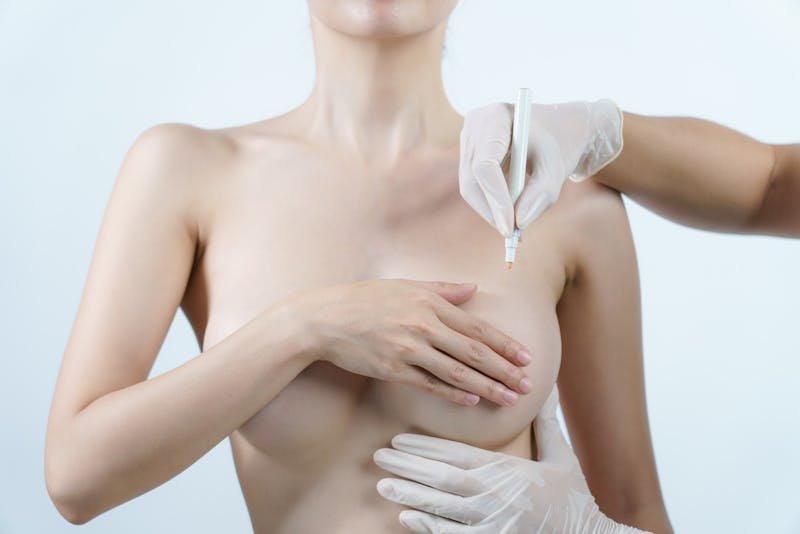
Aumentación de la mama en la cirugía plástica Baumholtz comienza en $8.200. Lo que mueve el número es generalmente la complejidad de la operación en lugar del implante mismo.
| Factor | Efecto del costo |
|---|---|
| Tipo de implante | Los implantes de silicona generalmente cuestan más que la salina |
| Añadiendo un ascensor | Un aumento y elevación combinados es una operación más larga y compleja |
| Tiempo de funcionamiento | Escala de tarifas de servicios y anestesia con tiempo en el teatro |
| Asimetría correcta | Puede requerir diferentes implantes por lado o remodelación adicional |
| Cirugía de revisión | Precio por separado — ver Revisión del implante de mama |
Qué debe incluir su cita
Al comparar los cirujanos, compare los totales en lugar de las cifras del titular.
- Tasa de cirujano para la propia operación
- Tasa de matrícula para la suite quirúrgica acreditada
- Anaestesia y el proveedor de anestesia
- Implantes y cualquier garantía del fabricante
- Garamentos y suministros postoperatorios
- Puestos de seguimiento a través de su recuperación
Los precios actuales para todos los procedimientos se enumeran en nuestro página de financiación y fijación de precios. La financiación de cerezas está disponible con aprobaciones hasta $50.000.
El aumento de mamas cosméticos no está cubierto por seguro, y esta práctica no cobra seguro. Los pacientes pagan directamente, con financiamiento disponible para aquellos que prefieren extender el coste.
Elegir tus implantes: Lo que realmente importa
Tres decisiones dan forma a tu resultado, y ninguna de ellas es "qué tamaño de taza quiero".
Saline o silicona
- Implantes de silicona están llenos de gel cohesivo y generalmente se describen como sentirse más cerca del tejido mamario natural.
- Implantes Saline están llenos de agua salada estéril después de la colocación, lo que permite una incisión más pequeña, y una ruptura es inmediatamente obvia.
- Edad mínima de la FDA aplicar en casos cosméticos: 18 para salino y 22 para silicona.
El tamaño se mide en cc, no el tamaño de la taza
Los implantes se venden por volumen en centímetros cúbicos. El tamaño de la taza depende de la anchura del pecho, del tejido existente, del perfil del implante y de la marca del sujetador que usted compra.
Dos mujeres con implantes idénticos de 350cc pueden usar diferentes tamaños de taza. Es por eso que el tamaño se hace por medida y tamaños en consulta, no por nombrar una carta.
Colocación: sobre o debajo del músculo
La posición de implante afecta la forma, la recuperación y cómo se comporta el pecho con el tiempo. La elección correcta depende en gran medida de cuánto tejido natural tiene que cubrir el implante.
El tejido grueso generalmente favorece la colocación bajo el músculo, lo que reduce los bordes del implante visibles y la ondulación. Su anatomía decide esto más que la preferencia.
Aprende más acerca de Peels químicos en San Antonio
Breast Augmentation Recovery, Week by Week
Recovery is more predictable than most patients expect, but the timeline below is a guide rather than a promise. Dr. Baumholtz gives every patient instructions specific to their surgery.
Días 1 a 3
- Tightness and pressure across the chest are the most common descriptions, more than sharp pain.
- Arrange help at home for the first 48 hours, particularly for anything overhead.
- Short walks are encouraged from the first day to reduce clot risk.
Semana 1
- Most patients come off prescription pain medication within a few days.
- Desk work is realistic for many patients toward the end of week one.
- Driving resumes once you are off prescription medication and can steer comfortably.
Weeks 2 to 4
- Swelling begins to settle and the breasts start to soften.
- Light activity resumes gradually, with no lifting or chest exercise.
- Implants sit high at this stage. This is normal and temporary.
Semanas 4 a 6
- Most patients return to full exercise around six weeks, once cleared.
- Upper body training is typically the last thing added back.
Months 3 to 6
- Implants “drop and fluff” into their final position as tissue relaxes.
- Scars begin maturing, fading over the first year.
- This is when results are judged — not at week three.
Read more about the procedure itself on our breast augmentation page.
What Breast Augmentation Will and Won’t Do
Implants add volume. They do not lift.
If your breasts have descended and you want them higher on the chest, an implant alone can make them look fuller but lower. That is the most common mismatch between what patients expect and what augmentation delivers.
- Volume loss after pregnancy or weight loss → augmentation often works well alone.
- Sagging with reasonable volume → a lecho is the operation that addresses position.
- Ambos → augmentation with a lift, which Dr. Baumholtz will discuss as one operation or two.
- Asimetría → common and correctable, though perfect symmetry is not a realistic goal for anyone.
Risks and the Long View
Breast augmentation is a well-established operation with a strong safety record, and it is still surgery.
Risks include bleeding, infection, changes in nipple sensation, implant malposition, rupture, and contractura capsular, where scar tissue tightens around the implant.
Los implantes no son dispositivos de por vida. Many women keep the same implants for a decade or longer without issue, but some will need revision at some point. Plan for that possibility rather than assuming one operation is the end of it. [STAT 2 — reoperation rate with source].
What to Expect at Your Consultation
A good consultation is mostly measurement and conversation, not a sales presentation.
- Discussion of your goals and what you want your result to look like in clothes.
- Physical examination and measurement of chest width, tissue thickness and breast position.
- Sizing with implant sizers so you can see volumes on your own frame.
- A recommendation covering implant type, size range and placement, with the reasoning explained.
- An itemised quote and a discussion of financing if you want it.
Thinking about breast augmentation in San Antonio? Dr. Baumholtz offers in-person and virtual consultations, including second-opinion appointments if you already have a quote.
Reserva una consulta or call +1 210-880-3708. View before and after photos.
Preguntas Frecuentes
How much does breast augmentation cost in San Antonio?
Breast augmentation at Baumholtz Plastic Surgery starts at $8,200. The final price depends on implant type, whether a lift is combined with it, and operating time. Ask for an itemised quote covering the surgeon’s fee, facility, anaesthesia, implants and follow-up visits.
How long does breast augmentation recovery take?
Most patients return to desk work within about a week and resume full exercise at roughly six weeks once cleared. Swelling settles over the first month, and implants reach their final position between three and six months after surgery.
Is breast augmentation covered by insurance?
No. Cosmetic breast augmentation is not covered by insurance, and Baumholtz Plastic Surgery does not bill insurance. Patients pay directly, and Cherry financing is available with approvals up to $50,000.
What size breast implants should I get?
Implants are measured in cubic centimetres rather than cup sizes, and the same volume looks different on different frames. Size is chosen at consultation using chest measurements, tissue assessment and implant sizers, so you see the result on your own body.
Will breast augmentation lift my breasts?
No. Implants add volume but do not reposition the breast. If your breasts have descended, an implant alone can look fuller but still low. A breast lift addresses position, and the two procedures are often combined.
How long do breast implants last?
Implants are not lifetime devices. Many women keep the same implants for ten years or more without problems, but some need revision surgery for rupture, capsular contracture or a change in preference. Plan for the possibility of future surgery.
Can I breastfeed after breast augmentation?
Many women breastfeed successfully after augmentation, particularly when the incision avoids the areola and milk ducts are preserved. No surgeon can guarantee breastfeeding ability, so tell Dr. Baumholtz at consultation if future breastfeeding matters to you.
When can I exercise after breast augmentation?
Walking starts immediately. Light lower-body activity usually resumes in the first few weeks, and most patients return to full exercise including chest and upper-body training at around six weeks, once their surgeon clears them.
Do breast implants affect mammograms?
Implants can obscure some breast tissue on a standard mammogram, so tell the imaging centre you have implants. Additional displacement views are used to image more of the tissue. Continue routine screening on your normal schedule.
Why do my implants sit so high after surgery?
High-sitting implants in the first weeks are normal. Chest muscles and tissue are tight after surgery and relax gradually. Implants settle into their final position over three to six months, a process often described as dropping and fluffing.
About the author. Dr. Michael Baumholtz is a double board-certified plastic surgeon in San Antonio, Texas, certified in both Plastic Surgery and General Surgery, with more than two decades of surgical experience. Read his full profile.