

The Belly Button After a Tummy Tuck: A Guide to a Natural Result
By Dr. Michael Baumholtz, MD, FACS — Double Board-Certified Plastic Surgeon · Published October 8, 2026
The belly button is the detail that gives a tummy tuck away. During abdominoplasty your navel stays attached to the abdominal wall while the skin around it is tightened and repositioned, so the surgeon effectively rebuilds its opening. A navel that looks round, wide or obviously surgical is the most common reason a result reads as “done.”
📌 Key takeaways
- Your navel is not removed it stays attached and the skin moves around it.
- A natural navel is small and slightly oval, with a subtle hood above it.
- Round, wide or starburst-shaped navels are what make a tummy tuck obvious.
- Ask to see close-up navel photos in any surgeon’s gallery.
- A piercing can usually be kept, but discuss it before surgery.
What Actually Happens to Your Belly Button
This surprises most patients, and it explains everything that follows.
Your navel is tethered to the abdominal wall by a stalk. It cannot move with the skin. During a tummy tuck, the skin of the abdomen is lifted, pulled downward and trimmed but the navel stays exactly where it is.
Learn more about Arm Lift (Brachioplasty) in San Antonio
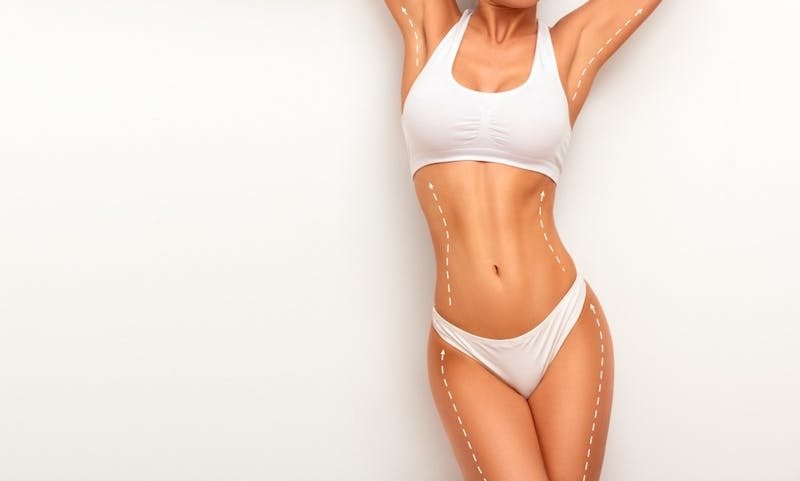
The surgeon then creates a new opening in the repositioned skin and brings the original navel through it. The shape, size and angle of that opening is what determines how natural the result looks.
So the belly button you end up with is your own. What changes is the skin around it and the way it is set into that skin.
What a Natural Belly Button Looks Like
Natural navels share recognisable characteristics, and they are not what most people assume.
- Small rather than large. A navel that draws attention is usually too big.
- Slightly vertical or oval, not perfectly round.
- A subtle hood of skin at the upper edge, creating a shadow.
- Set in slightly, with some depth rather than sitting flush.
- Scar hidden inside the rim rather than visible on the surrounding skin.
What makes a navel look surgical
| Appearance | Why it happens |
|---|---|
| Perfectly round | A circular opening cut into the skin; natural navels are rarely circular |
| Too large | An opening wider than the navel needs |
| Visible surrounding scar | The closure sits on the skin surface rather than tucked inside the rim |
| Starburst appearance | Tension radiating outward from the opening |
| Sitting too high or low | The new opening was positioned without matching the original stalk |
| Flat with no depth | No inward anchoring, leaving the navel sitting on the surface |
Why Position Matters as Much as Shape
A navel that looks fine in isolation can still look wrong on the body.
Its vertical position relative to the hip bones and the waist affects how long or short the torso appears. Because the stalk cannot move, the surgeon must place the new opening so that the navel sits naturally once the skin has been tightened.
This is one of the reasons marking is done before surgery with the patient standing. Lying down changes how the abdominal skin falls.
The Belly Button Scar
There will be a scar around the navel. The question is where it sits.
Well-placed, the closure is tucked inside the rim so the scar is not visible when you look down at your abdomen. Poorly placed, it sits on the surrounding skin and forms a visible ring.
- Early appearance: pink and slightly raised for the first months.
- Maturation: flattening and fading over roughly twelve months.
- Care: keep the area clean and dry during healing, since the navel traps moisture.
- Silicone: start only once your surgeon clears you.
Belly Button Piercings
A piercing can usually be preserved, but plan for it.
- Remove jewellery before surgery. It cannot stay in during the operation.
- The tract may close while healing, requiring re-piercing later.
- Wait until cleared before re-piercing usually several months.
- Mention it at consultation if the piercing matters to you.
Umbilicoplasty: Reshaping the Navel Alone
Not everyone needs a full tummy tuck to change their belly button.
Umbilicoplasty reshapes the navel itself, without tightening the abdomen. It can address a navel that has become stretched or elongated after pregnancy, or one that has changed shape over time. [UMBILICOPLASTY confirm whether Dr. Baumholtz offers this as a standalone procedure.]
It is a smaller operation with a shorter recovery, but it does nothing for loose abdominal skin or separated muscles. If those are your concerns, a tummy tuck is the operation that addresses them.
Learn more about Chemical Peels in San Antonio
When a Navel Change Needs a Doctor, Not a Surgeon
Some changes are not cosmetic.
An “outie” that appears in adulthood, a bulge that becomes more obvious when you strain, cough or stand, or a navel that changes shape alongside discomfort can indicate an umbilical hernia. This is common after pregnancy and after significant weight change.
An umbilical hernia needs assessing before any cosmetic planning, and can sometimes be addressed during the same operation. Dr. Baumholtz is board-certified in General Surgery as well as Plastic Surgery, so hernia assessment is part of his consultation when indicated. [Dr. B to confirm how he handles concurrent hernia repair.]
What to Ask Your Surgeon
Most patients never raise the navel at consultation, and then notice it for years afterwards.
- Can I see close-up navel photos from your tummy tuck patients?
- How do you shape the new opening, and why that shape?
- Where will the scar sit — inside the rim or on the surrounding skin?
- How do you decide its position on my torso?
- Can I keep my piercing, and when can I re-pierce?
- Do I have a hernia that should be addressed at the same time?
Ask to see several navel close-ups rather than full-body photos. Full-body shots rarely show enough detail, and consistency across many patients tells you more than one good example.
Planning a tummy tuck in San Antonio? Bring the navel question to your consultation. Dr. Baumholtz will explain exactly how he approaches it for your anatomy.
Book a consultation or call +1 210-880-3708. See our before and after gallery.
Frequently Asked Questions
Does a tummy tuck change your belly button?
Your original navel is kept — it stays attached to the abdominal wall. What changes is the skin around it. The surgeon creates a new opening in the repositioned skin and brings the navel through, so its setting and surrounding scar change rather than the navel itself.
Why do some tummy tuck belly buttons look fake?
Usually because the opening is too round, too large, or the closure scar sits on the surrounding skin instead of inside the rim. Natural navels tend to be small, slightly oval, set inward, with a subtle hood of skin above them.
Will I have a scar around my belly button after a tummy tuck?
Yes, there is always a scar where the navel is brought through the new opening. Well placed, it sits inside the rim and is not visible when looking down at the abdomen. It is pink initially and typically flattens and fades over about a year.
Can I keep my belly button piercing after a tummy tuck?
Jewellery must be removed for surgery, and the tract sometimes closes during healing, meaning re-piercing later. Wait until your surgeon clears you before re-piercing, usually several months. Mention the piercing at consultation if it matters to you.
What is umbilicoplasty?
Umbilicoplasty reshapes the belly button itself without tightening the abdomen. It can address a navel stretched or elongated by pregnancy or weight change. It is a smaller operation than a tummy tuck but does nothing for loose skin or separated abdominal muscles.
Why did my belly button change shape after pregnancy?
Pregnancy stretches the abdominal wall and the skin, which can leave the navel wider, flatter or elongated. In some cases the change reflects an umbilical hernia, particularly if there is a bulge that becomes more obvious when straining. That should be assessed by a doctor.
Can an umbilical hernia be repaired during a tummy tuck?
In many cases yes, since the abdominal wall is already exposed during abdominoplasty. Whether it is appropriate depends on the hernia and your overall plan, so it needs assessing at consultation rather than assumed.
How long does the belly button take to heal after a tummy tuck?
Surface healing typically occurs within the first few weeks, though the area needs careful cleaning and drying because the navel traps moisture. The scar continues maturing for around twelve months, flattening and fading over that period.
Can a bad belly button result be fixed?
Revision is often possible, typically by reshaping the opening and repositioning the closure. Results depend on the original surgery, scar quality and available tissue, so it needs assessing in person by a surgeon experienced in revision work.
About the author. Dr. Michael Baumholtz is a double board-certified plastic surgeon in San Antonio, Texas, certified in both Plastic Surgery and General Surgery. Read his full profile.