

Considering Breast Augmentation? Know Your Options
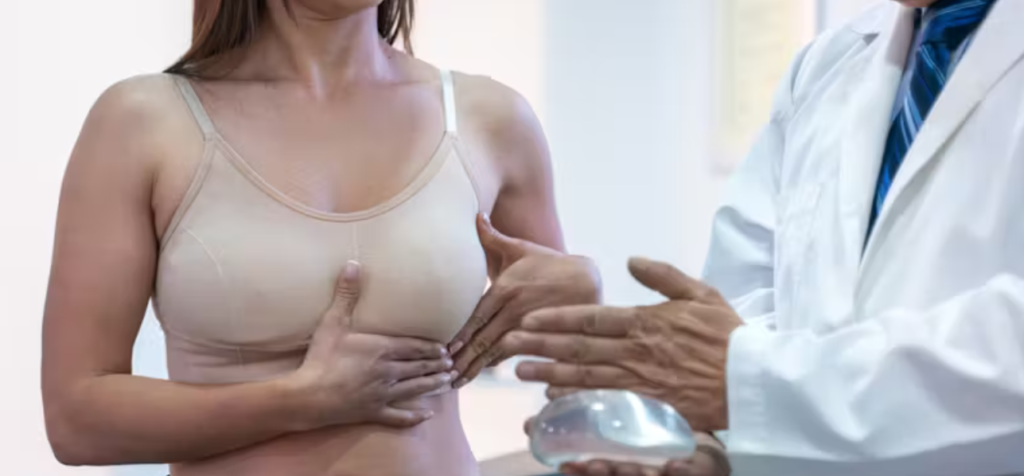
Considering Breast Augmentation? Know Your Options
Breast augmentation is not one decision. It is six, and most people only know about two of them when they walk into a consultation. This page names all six, explains what each actually involves, and points you to a fuller answer on whichever ones matter most to you.
Key takeaways
- Six decisions: implants or fat, fill, size, placement, incision, and whether you also need a lift.
- Some are yours, some are anatomical. Base width constrains size before preference enters.
- Cup size is not a surgical unit. Surgeons work in cubic centimeters and base measurements.
- You do not decide at the consultation. Most people take the information away first.
What You Decide and What Your Anatomy Decides
Before the list, the distinction that makes the rest make sense.
| You lead on | Your anatomy leads on |
|---|---|
| How much size change you want | The implant width that fits your chest |
| How natural or full you want it to look | Whether a lift is needed |
| How it should feel | Which incisions are suitable |
| Your tolerance for recovery and scars | Whether placement over or under muscle suits your tissue |
The best results come from treating this as a conversation. A surgeon who simply takes an order is not doing the part you are paying for.
1. Implants or Fat Transfer
Implants deliver a predictable, chosen volume in one operation. Fat transfer moves your own fat from elsewhere, which appeals to people who want to avoid a device entirely.
The limit on fat transfer is size. It adds modest volume — generally around a cup — needs enough donor fat to harvest, and some of what is transferred is reabsorbed, so the result at six months differs from the result at six weeks.
Patients frequently arrive believing fat transfer is a free upgrade: natural, no implant, slimmer waist too. The size expectation is the thing to get straight early.
2. Which Implant Fill
Silicone, saline, or a more cohesive gel. The practical differences are how they feel, how large an incision is needed, and what happens if one ruptures — saline deflates visibly, silicone can be silent, which is why monitoring recommendations differ.
Most patients choose silicone for feel. Saline has genuine advantages for some: smaller incision, lower cost, no imaging schedule.
3. Size
This is the decision patients think about most and understand least.
Your surgeon measures the base width of your breast. That measurement sets the implant diameter that will actually fit your chest. Within that constraint, volume is adjusted by profile — how far the implant projects forward.
Which is why two women cannot simply pick the same implant and expect the same result, and why cup size is a poor way to describe a goal.
Why C cup is the most requested size — and why surgeons do not work in cups
4. Placement: Over or Under the Muscle
The implant can sit above the chest muscle, below it, or in a dual plane arrangement that uses both.
This affects how natural the upper part of the breast looks, how the implant behaves when you flex, recovery discomfort, and how mammograms image the breast. Your tissue thickness largely drives the recommendation.
5. Where the Incision Goes
The three common options are the fold beneath the breast, the lower border of the areola, and the armpit.
Each trades off differently: access for the surgeon, compatibility with certain implant types, and where the resulting scar sits. Augmentation scars are generally small and well concealed, but they are permanent, and where they sit is worth discussing rather than leaving to assumption.
6. Whether You Also Need a Lift
The one most people hope the answer to is no, because a lift means more scars and more cost.
The test is where your nipple sits relative to the fold beneath your breast. Above it, implants alone usually work well. At or below it, implants alone produce a fuller breast that still sits low — sometimes a worse shape than before.
Breast lift with implants: one surgery or two? · About breast lift surgery
One More Thing: Implant Surface
Smooth or textured. This is a safety topic rather than an aesthetic one, with its own regulatory history, and it deserves reading properly rather than a paragraph here.
Smooth or textured implants: what is safer and why it matters
Practical Questions
Three things everyone asks, each answered properly elsewhere:
- What does it cost? Breast augmentation cost, and what a complete quote includes
- What is recovery like? Breast augmentation recovery, week by week
- What if I want them removed later? Options after breast implant removal
How to Choose a Surgeon
The decision that matters more than any of the six above.
- Verify board certification in plastic surgery specifically — the term “cosmetic surgeon” is not the same credential
- Look at results from patients who started where you are, not just the most dramatic before-and-afters
- Ask what the quote includes — surgeon, anesthesia, facility, implants, garments, follow-ups
- Ask about the revision policy before booking, not afterwards
- Be wary of guarantees of a specific cup size
How to avoid a poor breast surgery result
What to Bring to Your Consultation
- Your medical history and current medications
- Photographs of results you like — and results you do not
- A fitted top, or the bra you would like to fill
- Your questions, written down
- An idea of your timeline and budget
Photographs are more useful than descriptions. “Natural” means different things to different people; an image removes the ambiguity.
Ready to talk it through? Dr. Michael Baumholtz is double board-certified in plastic surgery and general surgery, with more than two decades of experience in San Antonio.
About breast augmentation · Virtual consultation · Request an appointment
Frequently Asked Questions
What decisions do I make before breast augmentation?
You and your surgeon settle six things: whether to use implants or fat transfer, which implant fill, what size, where the implant sits relative to the muscle, where the incision goes, and whether you also need a lift. Most are joint decisions rather than a menu you pick from.
What do I choose and what does the surgeon decide?
You lead on goals, feel and how much size change you want. Your surgeon leads on what your anatomy allows, particularly implant base width, whether a lift is required and where the incision should sit. The best outcomes come from treating it as a conversation rather than an order.
How do I decide on breast implant size?
Size is constrained by your chest measurements before preference enters. Your surgeon measures the base width of the breast, which sets the implant diameter that will fit, and size is then chosen by profile within that. Cup size is not a unit surgeons work in.
Do I need a breast lift as well as implants?
It depends on where your nipple sits relative to the fold beneath the breast. Implants add volume but do not reposition the nipple. If it sits at or below that fold, implants alone usually produce a fuller breast that still looks low.
Where will my breast augmentation scar be?
The most common incision sits in the fold beneath the breast, where it is hidden in the crease. Other options include the lower border of the areola and the armpit. Each has trade-offs around access, implant type compatibility and scar visibility.
How long does it take to decide on breast augmentation?
There is no need to decide at the consultation. Many patients attend one or two consultations, take the information away and return weeks or months later. A practice that pressures you toward booking on the day is worth noting.
What should I bring to a breast augmentation consultation?
Bring your medical history and medication list, photographs of results you like and dislike, a fitted top or the bra you want to fill, and written questions. Being able to show what you are aiming for is more precise than describing it.
How do I avoid a bad breast augmentation result?
Verify board certification in plastic surgery specifically, look at results from patients whose starting anatomy resembles yours, ask what the quote includes, and ask about the revision policy before booking. Be cautious of anyone guaranteeing a specific cup size.
Where to Start
If you read only one more thing, make it the one covering the decision you are least sure about. Size and whether you need a lift are the two that change the plan most.
And bring photographs to your consultation. It is the single most useful thing you can do to make the conversation precise.