

Recovery After Breast Implant Exchange
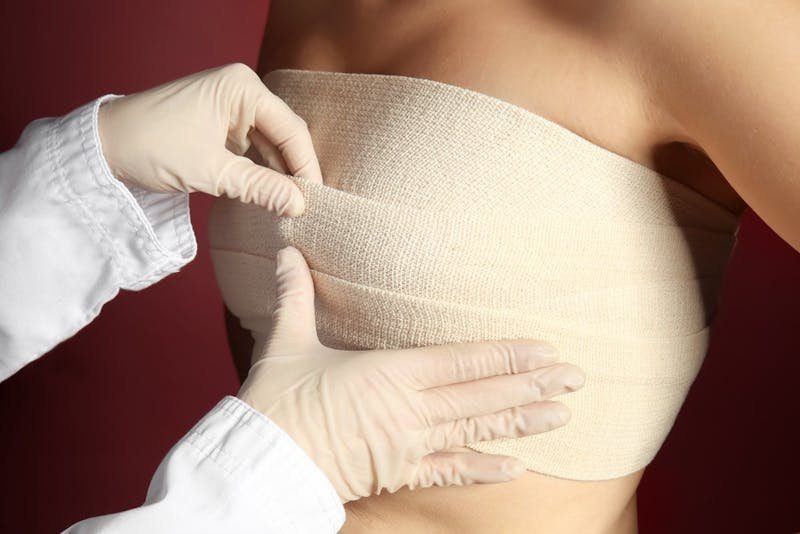
Recovery After Breast Implant Exchange
A straight swap — same pocket, new implants — is often an easier recovery than your original augmentation, because the pocket already exists. Add a capsulectomy, a pocket change or a lift and that no longer holds. Either way, full settling takes about a year.
Key takeaways
- “Implant exchange” is not one operation. Find out which yours is.
- A straight swap is often easier than the first time around.
- A capsulectomy changes that considerably — more dissection, drains likelier.
- The FDA says results after reoperation are not guaranteed.
Not All Exchanges Are the Same Operation
This is the thing most pages on this topic get wrong, and it matters because the two versions feel nothing alike.
A straight swap
Old implants out, new implants into the existing pocket. Same plane, same space. Done for a size change, for implants that have reached an age you want addressed, or for a change of implant type.
This is the version that is often easier than your original surgery.
Exchange plus something else
Any of the following turns it into a bigger operation:
- Capsulectomy — removing the scar capsule your body formed around the implant, usually because of contracture
- A pocket or plane change — moving the implant from above the muscle to below it, or the reverse
- Adding a lift — repositioning the nipple and removing loose skin at the same time
So the first question to ask is which one you are actually having. A recovery plan built for a straight swap is the wrong plan for a capsulectomy, and that mismatch is where disappointed patients come from.
Why a Straight Swap Is Often Easier
Two structural reasons, and they are genuinely reassuring.
The pocket already exists. Your original augmentation had to create a space that was not there. An exchange uses the space that is already formed, so there is far less tissue disruption.
The muscle work is already done. If your implants sit under the pectoral muscle, that muscle was released during the first operation. It does not need releasing again, and muscle release is a large part of why the original recovery was uncomfortable.
That is why many women are surprised by how much more manageable a swap feels. It is not that you are tougher the second time — it is a smaller operation.
What Changes With a Capsulectomy
More surface, more fluid, more recovery
Your body forms a scar capsule around any implant. That is normal. Removing it means dissecting it away from the surrounding tissue, which leaves a considerably larger raw surface than simply lifting out an implant.
Practically: more dissection, more likelihood of drains, and a recovery that resembles your original surgery more than it resembles a swap.
If capsular contracture is the reason you are having surgery, this is almost certainly part of the plan — and it is worth knowing that replacing implants does not make you immune to contracture returning. A fair question for your surgeon: what are you doing differently this time to reduce the chance of it coming back?
The Recovery Timeline
Published patient guidance from one center sets out a specific course. It is useful precisely because it is specific — and for that reason it is worth knowing it is one institution’s protocol rather than a universal standard.
| When | What that protocol advises |
|---|---|
| Day of surgery | Performed under IV sedation or general anesthesia. Local anesthesia wears off in about 3–4 hours. Most discomfort is mild to moderate and managed with prescribed medication. |
| Day after | Showering permitted. |
| Weeks 1–2 | Where drains are used, removal typically after one to two weeks. |
| Weeks 2–3 | No strenuous activity, to reduce the risk of bleeding and other complications. No ocean or pool until this point, or until any drain is out. |
| Several months | Numbness around the incisions is normal and can last this long. |
| 2–3 months | A significant part of recovery happens within this window. |
| About a year | The external scar softens and matures; internal tissues soften over a similar period. Full recovery takes at least a year. |
Two caveats worth holding onto. Your surgeon’s instructions override this table, and the figures may differ from theirs. And this is a general removal-or-replacement protocol — a complex exchange with capsulectomy or an added lift will take longer than a straight swap, and nothing I could find puts a reliable number on how much longer. Ask your surgeon for a timeline specific to what you are actually having done.
Preparing For It
From that same protocol
- Smoking: quit at least four weeks before surgery, and avoid smoking until four weeks after. Smoking impairs wound healing, which matters more in revision surgery where tissue has already been operated on once.
- Anti-inflammatories and supplements: aspirin, ibuprofen, other NSAIDs and some herbal supplements stopped at least two weeks beforehand, usually resumed about a week afterward.
- Arrange a driver, and someone to stay with you at least the first night.
Never stop a prescribed medication on your own. Bring your surgeon a complete list of everything you take, supplements included, and let them decide.
The Expectations Conversation
This is the part a reassuring article would leave out, so here it is directly.
What the FDA says about reoperation
The FDA states plainly that after reoperation there is no guarantee of a satisfactory cosmetic result.
That is not a warning against having the surgery. It is a correction to a common assumption — that an exchange is a tune-up with a predictable outcome because the hard part was done years ago.
An exchange works with your breast as it is now. However many years have passed since the original operation, your tissue has changed in that time: skin quality, volume, position, the capsule itself. The surgeon is working with that, not with the anatomy they had the first time.
Most women are pleased with an exchange. Going in understanding that the outcome is being built on altered tissue, rather than expecting a reset to how things looked a decade ago, is what makes the difference between a satisfied patient and a disappointed one.
Related reading on whether you need an exchange at all: do implants need replacing every ten years?
Call your surgeon’s office the same day if you notice
- Increasing redness, warmth or spreading discoloration
- A sudden increase in swelling or firmness
- Drainage or pus from an incision, or an incision opening
- Fever
- Pain that is worsening rather than gradually easing
Note the timing on infection. After this surgery it often appears around five to seven days afterward rather than immediately, and is typically treated with oral antibiotics. So the second week deserves attention rather than relief — getting through day three comfortably is not the all-clear.
Seek emergency care immediately for chest pain, shortness of breath, or pain, swelling or tenderness in a calf or leg.
What to Ask Before Surgery
The questions that set your expectations correctly
- Is this a straight swap, or are you also doing a capsulectomy, pocket change or lift?
- How does my recovery differ from my original surgery?
- Will I have drains, and for how long?
- How long before I can exercise, and before I can swim?
- How long off work, for my job?
- If contracture is why we are operating, what are you doing differently this time?
- How will my result differ from my original result? Ask this one directly.
- How long do I need to have stopped smoking?
The single most useful thing to establish is which operation you are actually having — because a straight swap and an exchange with capsulectomy are different enough that one recovery plan cannot cover both. Dr. Michael Baumholtz is double board-certified in plastic surgery and general surgery, with more than two decades of experience in San Antonio.
Frequently Asked Questions
Is recovery from implant exchange easier than the original surgery?
For a straight swap, often yes. The pocket already exists and, if your implants sit under the muscle, that muscle was released the first time, so there is less tissue disruption. That advantage disappears if a capsulectomy, a pocket change or a lift is added, because those involve new dissection.
What is the difference between a simple exchange and a capsulectomy?
A simple exchange removes the old implants and places new ones in the existing pocket. A capsulectomy also removes the scar capsule your body formed around the implant. That means considerably more dissection and a larger raw surface, which is why drains are more likely and the recovery is bigger.
How long does recovery after implant exchange take?
One institution’s guidance advises avoiding strenuous activity for two to three weeks, with a significant part of recovery occurring within two to three months and full recovery taking at least a year as scars and internal tissues soften. Your surgeon’s timeline governs, and a more complex exchange takes longer.
Will I have drains after implant exchange?
Sometimes, and more likely if a capsulectomy is performed, because removing the capsule leaves a larger raw surface that produces fluid. Where drains are used, published guidance from one center reports removal typically after one to two weeks. Whether you need them is your surgeon’s judgment.
When can I shower after implant exchange?
One center’s protocol allows showering the day after surgery, while advising against the ocean or a pool for two to three weeks or until any drain is removed. Follow the instruction you were given, since wound-care protocols differ between surgeons and depend on whether you have drains.
How long should I stop smoking before implant exchange?
One published protocol advises quitting at least four weeks before surgery and avoiding smoking until four weeks after. Smoking impairs wound healing, which matters particularly in revision surgery where tissue has already been operated on once. Your surgeon sets the requirement and it is worth treating as a condition.
Which medications do I stop before implant exchange?
That is your surgeon’s decision. One protocol advises stopping aspirin, ibuprofen, other anti-inflammatories and some herbal supplements at least two weeks beforehand, usually resuming about a week afterward. Never stop a prescribed medication on your own, and give your team a complete list including supplements.
Will my results be as good as the first time?
Not guaranteed. The FDA states plainly that after reoperation there is no guarantee of a satisfactory cosmetic result. An exchange works with the breast as it is now rather than starting fresh, and years of tissue change sit between the two operations. That is worth hearing before surgery rather than after.
Can capsular contracture come back after exchange?
Yes. Replacing implants does not make you immune to the scar capsule tightening again, and contracture in its severe grades is one of the main reasons reoperation is needed in the first place. Ask your surgeon what they are doing differently to reduce the chance of recurrence.
How long does numbness last after implant exchange?
Numbness around the incisions is normal and one center’s guidance notes it can last several months. It usually improves gradually. Mention it at your follow-up appointments so it can be tracked, particularly if it is not settling as the months pass.
Can I change implant position during an exchange?
Yes, moving an implant to a different plane is possible and is sometimes done during revision, including to address visible rippling or movement with muscle contraction. It is a more involved operation than a straight swap, so expect a longer recovery than exchanging implants in the existing pocket.
When should I call my surgeon after implant exchange?
Call the same day for increasing redness, warmth, swelling or firmness, for drainage or fever, or for pain that is worsening rather than easing. Note that infection after this surgery often appears five to seven days afterward rather than immediately, so the second week deserves attention rather than relief.
The Short Answer
Find out which operation you are having. A straight swap into the existing pocket is frequently easier than your original augmentation, because the space is already there and the muscle does not need releasing again.
Add a capsulectomy, a pocket change or a lift and the recovery resembles the first time more than a swap. Drains become likelier, and nobody can give you a reliable figure for how much longer it takes — your surgeon can give you one for your case.
And the honest part: the FDA says results after reoperation are not guaranteed. Your tissue is not what it was when the implants went in, and the outcome is built on what is there now.
Related: implant placement options · do I need a lift with my implants? · options after implant removal
Sources
- U.S. Food and Drug Administration — Risks and Complications of Breast Implants
- Kaiser Permanente Aesthetic Center — breast implant removal or replacement patient guidance
This article is general information and does not replace the instructions you receive from your own surgeon. The timings described come from one institution’s published protocol and may differ from your surgeon’s. Never stop a prescribed medication without speaking to the doctor who prescribed it. Last reviewed October 2026.