How to Reduce Swelling and Bruising After Eyelid Surgery
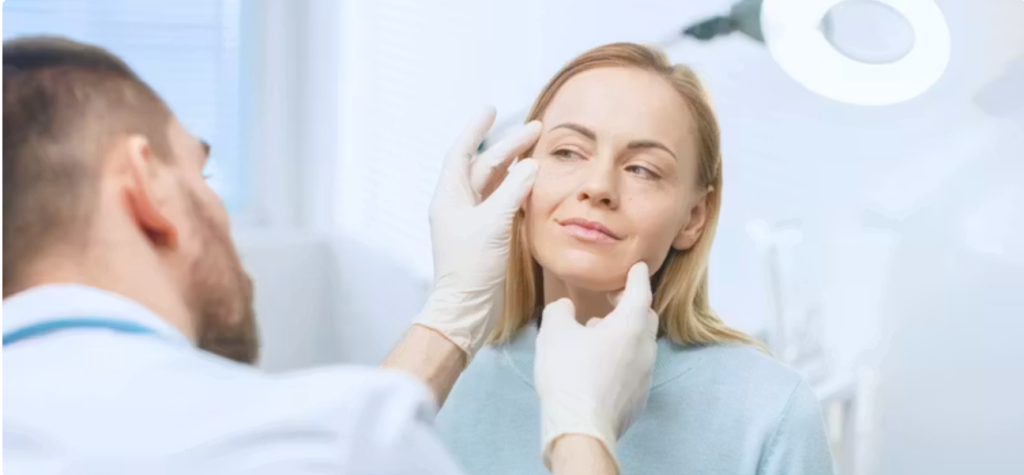
How to Reduce Swelling and Bruising After Eyelid Surgery
Cold compresses and keeping your head elevated during the first 48 hours do most of the work. Swelling peaks on day two or three rather than the day of surgery, so getting worse before it gets better is normal. Most bruising has faded by the second week.
Key takeaways
- Cool, never frozen. Eyelid skin is the thinnest on your body.
- Elevation matters as much as cold — including overnight.
- Day two or three is the peak. Worse before better is expected.
- Any change in vision is an emergency. Not a next-day call.
What Is Normal, and When It Peaks
The most common worry after eyelid surgery is that things look worse on the second day than they did on the first.
That is the expected course. Swelling typically peaks around day two or three, not immediately after surgery. If you judge your recovery on the second morning, you are looking at it at its worst point.
Bruising follows its own timeline and often travels. As it resolves it tends to track downward onto the cheek, because gravity moves it. That is not the bruise spreading or worsening — it is the bruise clearing.
Lower eyelid surgery tends to produce more cheek bruising than upper eyelid surgery, and its swelling can take slightly longer to settle.
The Two Things That Do Most of the Work
Almost everything else on this page is secondary to cold and elevation in the first 48 hours.
How to use cold compresses safely
- Make the compress cool, not frozen. A refrigerated gel pack, or a clean cloth wrung out in cool water. Nothing from the freezer.
- Put a barrier between the compress and your skin. Wrap it in a thin clean cloth. Nothing cold should touch the eyelid directly.
- Rest it on closed lids with no pressure. Let it sit under its own weight. Do not press down, hold it against the lid or rub.
- Fifteen to twenty minutes on, then off. Then a similar period off. Repeat while you are awake through the first 48 hours.
- Stay elevated while you do it. Cold works considerably better alongside elevation.
Why “cool, not frozen” is not a technicality. Eyelid skin is the thinnest on the body, and the area is numb after surgery — so if a frozen pack is damaging the skin, you may not feel it happening. Cold injuries here are entirely avoidable and worth avoiding.
Elevation, including overnight
Sleep on your back, propped on two or three pillows or in a recliner, generally for about the first week.
This is why swelling is usually worst first thing in the morning: lying flat for hours lets fluid pool around the eyes. Elevation is the single easiest thing you can do, and it works while you are asleep.
What to Expect, Week by Week
| When | What is typical |
|---|---|
| Days 1–3 | Swelling builds and peaks around day two or three. Cold compresses and elevation matter most now. |
| Days 4–7 | Bruising changes color as it resolves. The most dramatic swelling begins to settle. Desk work often becomes manageable toward the end of this week. |
| Week 2 | Bruising mostly faded or coverable with makeup. Many people feel presentable. |
| Weeks 2–4 | Mild puffiness, usually most noticeable in the morning. |
| 1–3 months | Deeper, subtler swelling continues to resolve gradually. |
| 3–6 months+ | The result settles fully and incision lines continue to mature. |
These are typical ranges, not a schedule. Upper and lower eyelid surgery differ, and so does one person from another.
Your surgeon’s instructions override this page. If what you were given at discharge differs from anything here, follow your discharge instructions and ask at your follow-up.
What Makes Swelling and Bruising Worse
Most of these work the same way: they raise pressure in the blood vessels of your head, or they thin your blood.
- Bending with your head below your heart. Reaching into low cupboards, tying shoes, picking things up off the floor.
- Lifting, pushing and straining. Including straining on the toilet, which is worth mentioning because pain medication causes constipation.
- Rubbing or touching your eyes. The hardest one, because healing itches.
- Alcohol. Dilates blood vessels and dehydrates you.
- Heat. Hot showers, baths, saunas, hot tubs. Pools and hot tubs also carry an infection risk while incisions are healing.
- Salty food. Encourages fluid retention at precisely the wrong moment.
- Strenuous exercise. Commonly restricted for several weeks — your surgeon will give you a figure.
Before Surgery: What Reduces Bruising Later
A good deal of bruise prevention happens before the operation, not after it.
Many common medications and supplements affect bleeding — aspirin and anti-inflammatories among the medications, and fish oil, vitamin E, ginkgo, ginseng, garlic and others among the supplements. Your surgeon will tell you which to pause and for how long.
Never stop a prescribed blood thinner on your own. If you take one, that decision belongs to the doctor who prescribed it, working with your surgeon. Some are prescribed for conditions where stopping carries a far greater risk than bruising does.
Give your surgical team a complete list of everything you take, including things that do not feel like medication — supplements, herbal products, teas. People routinely leave these off, and they are exactly what matters here.
What about arnica and bromelain?
Both are widely recommended and widely sold for bruising. The evidence that they meaningfully help is limited and mixed.
They are not a substitute for cold and elevation, which is where the real effect is. If you want to take something, clear it with your surgeon first — supplements can interact with medications, and some affect bleeding themselves.
Keeping Your Eyes Comfortable
Temporary dryness, grittiness or watering is common, and usually settles as swelling resolves.
The reason is mechanical: swelling can stop the eyelids closing completely, which lets the surface dry out — particularly overnight. Surgeons commonly advise artificial tears during the day and a lubricating ointment at night. Follow what yours has given you.
Sunglasses are worth wearing outdoors, both for comfort with light sensitivity and to keep sun off healing incisions. Sun protection on the incision lines matters for months, not days, and your surgeon will tell you when it is safe to apply sunscreen there.
Call your surgeon’s office the same day if you notice
- Swelling or redness that increases after it had been improving
- Fever, or warmth and spreading redness around an incision
- Pus or cloudy discharge from an incision
- Bleeding that soaks through a dressing
- Dryness or irritation that is severe or not improving
Go to an emergency room immediately for
- Any change in your vision — blurring, dimming, loss, or double vision
- Severe or rapidly worsening pain, especially pain not helped by your medication
- Rapidly increasing swelling, particularly on one side only
- An eye that feels tense, hard or looks like it is bulging forward
- Sudden inability to open the eye
These can indicate bleeding behind the eye. It is rare, but it threatens sight, it usually happens within the first 24 hours after surgery, and treatment needs to happen within roughly a couple of hours of symptoms starting. That short window is the reason this is an emergency room visit rather than a call in the morning. If you are unsure, go.
Worth keeping in proportion: eyelid surgery is among the most commonly performed procedures in plastic surgery and serious complications are uncommon. Knowing the signs costs you nothing and is only useful if you learn them before you need them.
Considering eyelid surgery, or recovering and unsure whether something is normal? If you are a patient, call the office — that is what it is there for. If you are still deciding, Dr. Michael Baumholtz is double board-certified in plastic surgery and general surgery, with more than two decades of experience in San Antonio.
Frequently Asked Questions
How do I reduce swelling after eyelid surgery?
Cold compresses and head elevation during the first forty-eight hours do most of the work. Use a cool, never frozen, compress wrapped in a cloth on closed lids for fifteen to twenty minutes at a time, and stay propped up on pillows or in a recliner including overnight. Avoid bending, lifting and straining, which push blood toward your face.
When does swelling peak after eyelid surgery?
Swelling typically peaks on day two or three rather than on the day of surgery. Looking worse on the second morning than you did on the first is the normal course, not a sign that something has gone wrong.
How long does bruising last after eyelid surgery?
Bruising usually changes color through days four to seven and is mostly faded or coverable with makeup by around two weeks. It often tracks downward onto the cheek as it resolves, because gravity moves it. Lower eyelid surgery tends to bruise the cheek more than upper eyelid surgery does.
Can I use ice from the freezer on my eyelids?
No. Use something cool rather than frozen, and always with a cloth between it and your skin. Eyelid skin is the thinnest on the body, the area is numb after surgery so you may not feel damage happening, and a frozen pack can cause a cold injury.
What makes swelling and bruising worse after eyelid surgery?
Bending with your head below your heart, lifting, straining, rubbing your eyes, alcohol, heat such as hot showers and saunas, and salty food all tend to make it worse. So do blood-thinning medications and supplements, which is a conversation to have with your surgeon before surgery rather than after.
Should I take arnica or bromelain for bruising?
These are widely recommended and widely sold, but the evidence that they meaningfully reduce bruising is limited and mixed. They are not a substitute for cold compresses and elevation. If you want to take something, clear it with your surgeon first, since supplements can interact with medications and some affect bleeding.
How should I sleep after eyelid surgery?
On your back, with your head elevated on two or three pillows or in a recliner, generally for about the first week. Sleeping flat lets fluid pool around your eyes overnight, which is why morning swelling is usually the worst of the day.
When can I wear makeup or contact lenses again?
Most patients plan on roughly two weeks in glasses before returning to contact lenses, and wait until incisions have healed before using eye makeup. Both depend on how your incisions are healing, so confirm the timing with your surgeon at your follow-up rather than working to a fixed date.
Why do my eyes feel dry and gritty after eyelid surgery?
Temporary dryness is common and usually settles as swelling resolves. Swelling can stop the lids closing completely, which lets the surface dry out, particularly overnight. Surgeons commonly advise artificial tears during the day and a lubricating ointment at night. Tell your surgeon if dryness is severe or persistent.
When is swelling after eyelid surgery an emergency?
Go to an emergency room immediately for any change in vision, severe or rapidly worsening pain, rapidly increasing swelling on one side, a bulging or tense eye, double vision, or sudden inability to open the eye. These can indicate bleeding behind the eye, which threatens sight and needs treatment within a couple of hours. This is not something to wait out or raise at your next appointment.
The Short Answer
Cool compresses and head elevation through the first 48 hours, then elevation at night for about a week. Nothing frozen, nothing pressed against the lid.
Avoid bending, lifting, straining, alcohol, heat and salt while it settles. Expect the worst of it on day two or three, and most bruising gone by week two.
And learn the emergency signs before your surgery date rather than looking them up at 2am.
Source
This article is general information and does not replace the post-operative instructions you receive from your own surgeon. Where the two differ, follow your surgeon’s instructions. Last reviewed October 2026.